


Why Does My Trailer Hitch Make Noise?
Trailer hitch noise is a common concern for anyone who tows with a trailer hitch, whether on a car, truck, or RV. This guide is for anyone who tows with a trailer hitch and wants to understand the causes of hitch noise, how to identify them, and the best solutions for a quieter, safer towing experience. Understanding trailer hitch noise matters not only for your comfort but also for your safety on the road.
What is trailer hitch noise?
Trailer hitch noise can result from metal-on-metal friction, loose connections, or rust. Friction between moving parts or loose connections within your hitch system can produce various noises, ranging from minor squeaks to more pronounced rattles or bangs.
Why does it matter?
Unusual or persistent hitch noises can signal underlying issues that may compromise the safety and comfort of your towing setup. Addressing these noises promptly helps prevent equipment failure and ensures a smoother ride.
Scope of this guide:
Types of trailer hitch noises you might encounter
Common causes and how to identify them
Step-by-step solutions for reducing or eliminating hitch noise
Tips for regular inspection and maintenance
Importance of Regular Inspection and Cleaning
Routine maintenance includes inspecting and cleaning the hitch assembly to prevent rust and wear. Regular inspection of hitch components is crucial for safe towing. By keeping your hitch clean and well-maintained, you can catch small problems before they become major issues and extend the life of your towing equipment.
Common noises include:
Squeaking or creaking
Rattling or clanking
Popping or clicking (Sway control hitches designed to use friction can produce groaning or popping sounds.)
Grinding or scraping
Most of these sounds stem from friction between moving parts or loose connections within your hitch system. The draw bar (or drawbar) is a common source of noise if it becomes loose in the receiver tube, and a little play in the connection can lead to rattling or clunking. While some noises are normal, others may indicate potential issues that require attention.
Identifying the source of the noise is crucial for maintaining a safe towing setup. Different sounds can point to specific problems:
Squeaking often results from friction between the hitch ball and trailer coupler.
Rattling may indicate a loose connection in the receiver or ball mount. The drawbar being loose in the hitch's receiver frequently causes rattling sounds.
Popping could suggest weight distribution issues or suspension problems. Clunking often occurs during braking or accelerating due to excessive play in the connection, especially if the drawbar is loose.
Your trailer’s suspension is a frequent noise culprit, especially under heavy loads. The more weight you’re hauling, the harder your suspension works, potentially leading to increased noise levels.
To address hitch noises effectively, you’ll need to pinpoint their origin. The post or receiver tube of your car or truck can develop a little play over time, and anti-rattle devices can help pull the components tight to reduce noise. This allows you to determine whether the sound is a normal part of towing or a sign that your setup needs maintenance or adjustment.
Understanding Hitch Noise
Trailer hitch noise is a common concern for anyone who tows, and it often stems from a combination of factors related to your hitch setup. Components like the ball mount, weight distribution hitch, and hitch pin are all potential sources of unwanted sounds. A noisy hitch can be more than just an annoyance—it may signal underlying issues that could compromise the safety of your vehicle and trailer.
Understanding the root causes of hitch noise is essential for both comfort and peace of mind. Loose connections, worn parts, or improper installation within your hitch system can all contribute to rattling, squeaking, or clanking noises. The hitch receiver, silent hitch pin, and tow hitch are critical components that should be checked regularly to ensure they are secure and functioning properly.
Regular inspection and maintenance of your trailer hitch system can help you catch small problems before they turn into major headaches. By staying proactive and familiarizing yourself with the key components—such as the receiver, ball, and pin—you can keep your towing experience quieter and safer. Remember, a well-maintained hitch setup not only reduces noise but also extends the life of your equipment and enhances overall towing performance.
The Role of Hitch Types in Causing Noise
Different trailer hitch designs can produce varying levels and types of noise. Ball mount hitches are common and may create squeaking or rattling sounds due to friction between the ball and coupler. Cargo carriers and bike racks mounted to the hitch can also contribute to noise, especially if not properly stabilized.
Pintle hitches, with their hook and ring design, can generate clanking noises as the components move against each other. These are often used for heavy-duty applications but tend to be noisier than ball mounts.
Fifth wheel hitches, typically found on larger trucks and RVs, may produce rumbling or creaking sounds. This can occur as the kingpin moves within the hitch plate during turns or over bumpy terrain.
Weight distribution hitches can add extra noise sources. The spring bars and chains in these systems may rattle or clank, especially if not properly adjusted or lubricated.
A cushion hitch is a type of hitch stabilizer that uses a buffer to reduce metal-on-metal rattling.
To reduce noise across hitch types:
Apply lubricant to moving parts
Check for loose bolts or connections
Use anti-rattle devices or stabilizers
Ensure proper hitch and trailer alignment
There are four different hitch stabilizer methods you can use to secure a towing connection, and an anti-rattle clamp or anti-wobble hitch pin is one of the simplest but most effective ways to achieve quieter towing.
Bike racks often benefit from bike rack-specific anti-rattle devices to prevent movement and noise. Anti-rattle devices are also highly recommended for cargo carriers to reduce unwanted play and ensure stability.
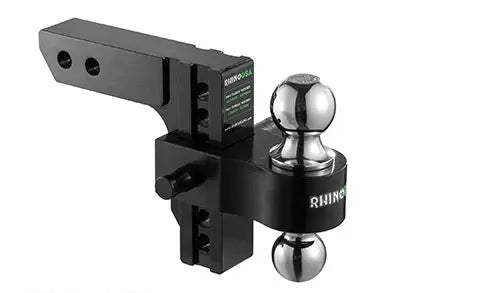
Rhino USA offers heavy-duty accessories designed to minimize hitch-related noises. Their products can help secure connections and reduce unwanted movement, leading to a quieter towing experience.
Loose Connections: A Common Culprit
Loose connections are often the primary cause of noise from your trailer hitch. When components aren’t properly secured, they can rattle and clank as you drive.
The most common culprits include:
Loose hitch ball
Improperly tightened coupler
Worn or damaged hitch pins
These issues can lead to irritating sounds and potentially dangerous situations on the road.
To address loose connections, start by inspecting your hitch setup. Check that the hitch ball is tightly secured to the ball mount. Ensure the coupler is properly latched and tightened onto the ball. Properly install anti-rattle devices or other hitch components, as correct installation is crucial for minimizing trailer hitch noise.
Consider using high-quality hitch pins and locks to secure your setup. Rhino USA offers durable options that can significantly reduce movement and noise.
An anti-rattle hitch tightener can be a game-changer for quieter towing. This device helps eliminate play between the receiver and hitch, reducing vibrations and noise.
Regular maintenance is key to preventing loose connections. Periodically check and tighten all components of your hitch system. Lubricate moving parts to reduce wear and tear.
By addressing loose connections promptly, you’ll enjoy a quieter, safer towing experience. Invest in quality equipment and perform regular checks to keep your trailer hitch in top condition.
Worn Out Components and Trailer Sway
Worn Components
Worn components in your trailer hitch can lead to annoying noises and potentially dangerous sway. Ball mounts and couplers are particularly susceptible to wear over time.
A loose or worn ball mount may rattle in the receiver, creating a clunking sound as you drive. This play can also contribute to trailer sway, especially at higher speeds or in windy conditions.
Couplers that have excessive wear may not grip the ball tightly, leading to a loose connection. This can cause both noise and instability while towing.
Other worn components to check:
Sway control devices
Weight distribution systems
Safety chains
Receiver pins and clips
Regular inspection of these parts is crucial for safe towing. Replace any components showing significant wear or damage.
To reduce noise and improve stability, consider upgrading to high-quality towing accessories. Durable options like those from Rhino USA can provide a tighter, quieter connection and help minimize sway.
Proper maintenance and timely replacement of worn parts will ensure a smoother, safer towing experience. Don't ignore unusual noises or instability - address them promptly to prevent more serious issues down the road.
Trailer Sway
Trailer sway is a dangerous condition that can be exacerbated by worn or loose hitch components. When your trailer begins to sway, it can cause instability, increased noise, and even loss of control. Ensuring all hitch parts are in good condition and properly tightened is essential for preventing sway and maintaining a safe, quiet towing experience.
Metal-on-Metal Contact and Grease
Trailer hitch noise often stems from metal-on-metal contact between the hitch ball and trailer coupler. This friction is a normal part of your weight distribution hitch's operation.
To reduce squeaking, apply lubricant to the hitch ball. Effective options include:
Liquid Wrench White Lithium Grease
Reese Hitch Ball Lube
Valvoline General Purpose Grease
A generous amount of grease on the ball can significantly decrease noise without affecting the hitch's functionality. Regular lubrication also extends the life of your hitch components.
For other metal-on-metal contact points, inspect and lubricate as needed. Pay attention to:
Chain connections
Spring bar attachments
Receiver and shank interfaces
Quality parts play a crucial role in minimizing noise. Well-machined, properly fitted components reduce unwanted movement and friction. If you notice persistent noise despite lubrication, consider checking for wear or loose fittings.
Remember, some noise during turns is normal due to the hitch's design. However, excessive or unusual sounds may indicate a need for maintenance or part replacement.
The Impact of Terrain on Trailer Hitch Noise
Rough or uneven terrain can significantly increase the noise from your trailer hitch. As you navigate bumpy roads, the constant jostling amplifies any existing looseness or wear in the hitch components.
Unpaved surfaces like gravel or dirt roads are particularly problematic. The irregular surface causes more vibration, which can lead to increased rattling and banging from the hitch assembly.
Steep inclines and declines also affect hitch noise. When ascending or descending hills, the weight distribution shifts, potentially causing more movement and noise at the connection point between your vehicle and trailer.
Common terrain-related noise sources:
Potholes and bumps
Gravel or dirt roads
Steep hills
Uneven surfaces
To minimize terrain-induced hitch noise:
Regularly inspect and tighten all hitch components
Use a weight distribution system for better stability
Consider adding anti-rattle devices to your setup
Adjust your driving speed on rough roads
Remember that while terrain can exacerbate hitch noise, it's often a sign to check your equipment. Regular maintenance and proper setup can help reduce unwanted sounds, even on challenging surfaces.
Trailer Load Distribution and Noise
Proper weight distribution in your trailer is crucial for reducing hitch noise. When the load is unevenly distributed, it can cause excessive bouncing and movement, leading to increased noise from the hitch.
To minimize noise, ensure your trailer's tongue weight is 10-15% of the total trailer weight. This balance helps maintain stability and reduces stress on the hitch components.
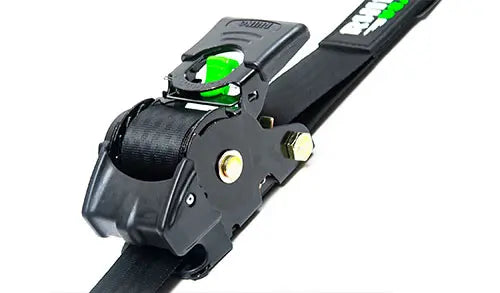
Using high-quality tie-down equipment like Rhino USA ratchet straps can significantly impact noise levels. These straps help secure the load, preventing shifting during travel.
Tips for proper load distribution:
Place heavier items over the trailer axles
Distribute weight evenly from side to side
Secure all items to prevent movement
By following these guidelines, you'll reduce trailer bounce and minimize hitch noise. Remember to check your load distribution before each trip to ensure optimal performance and safety.
Regularly inspect your hitch components for wear or damage. Loose or worn parts can contribute to increased noise levels. Lubricate moving parts as recommended by the manufacturer to keep your hitch operating smoothly and quietly.
When Noise Signals a Bigger Problem
Persistent or unusual noises from your trailer hitch can indicate more serious issues that require attention. Grinding or metal-on-metal sounds may suggest worn components or improper alignment.
Loud popping when turning could mean your weight distribution system needs adjustment. Check the stabilizer bars and consider adjusting their tension or position.
Rattling noises might point to loose connections. Inspect your hitch pin, ball mount, and safety chains for proper tightness. Ensure all bolts and nuts are secure.
Clunking sounds during acceleration or braking may indicate excessive play in the hitch system. This can be dangerous and requires immediate inspection.
Look out for:
Rust or corrosion on hitch components
Cracks or deformations in the hitch receiver
Excessive movement between the ball and coupler
Worn or damaged anti-rattle devices
If you notice any of these issues, it's time to replace affected parts. Regular maintenance and timely replacements ensure your safety on the road.
Consider upgrading to high-quality towing equipment for improved performance and longevity. Proper installation and periodic checks will help prevent noise issues and keep your towing setup in top condition.
FAQs for Trailer Noise Reduction
Solutions for a Quieter Ride
Achieving a quieter ride while towing is possible with the right approach and equipment. One of the most effective ways to reduce hitch noise is by using an anti-rattle hitch tightener. This simple device helps eliminate movement and vibration at the hitch connection, making a noticeable difference in reducing hitch rattle and overall noise.
Proper installation of your hitch system is crucial. Ensuring that your weight distribution hitch, hitch ball, and hitch pin are all correctly installed and tightened can prevent many common sources of noise. Upgrading to a silent hitch pin or using a hitch pin with a rubber insert can further dampen vibrations and minimize rattling.
Maintaining the correct tongue weight and using a weight distribution hitch can also help reduce trailer sway and the associated noises that come with it.
DIY Noise Reduction Tips
For those who enjoy DIY solutions, try these approaches:
Wrap the hitch connection with electrical tape to provide additional stability and noise reduction.
Secure the connection with a U-bolt for extra tightness.
Use anti-rattle devices designed for your specific hitch type.
However, keep in mind that not all anti-rattle devices are compatible with every hitch type—pintle hitches and some weight distribution hitches may require specialized solutions.
A game changer for many towing enthusiasts is investing in a hitch system with a built-in anti-rattle device. These systems are designed to provide a more secure and quieter towing experience right out of the box. Regularly checking for wear, tightening bolts and pins, and replacing any worn components will also go a long way in reducing hitch noise.
By understanding the causes of hitch noise and applying the right solutions—whether it’s a commercial anti-rattle device or a simple DIY fix—you can enjoy a smoother, quieter, and more comfortable towing experience every time you hit the road.
- Choosing a selection results in a full page refresh.