

Jeep Wrangler vs. Rubicon: What Actually Separates Them
|
Key Takeaways
|
A common misconception is that the Rubicon is a completely separate Jeep model from the Wrangler; it’s simply a type of Wrangler. This guide compares the Rubicon against the Sport, Sahara, and Willys trims, so you know exactly what the extra cost buys, whether you daily-drive around town or actually plan to air down on the trail. Picking the right trim affects your budget, your daily drive, and how far off the pavement you can actually go.
Jeep Wrangler vs. Rubicon at a Glance
|
Feature |
Wrangler (Sport/ Sahara/Willys) |
Wrangler Rubicon |
|---|---|---|
|
Axles |
Dana 30 front, standard-duty rear |
Dana 44 heavy-duty front and rear |
|
Differentials |
Open, or optional limited-slip |
Tru-Lok electronic locking front and rear |
|
Transfer case |
Command-Trac, 2.72:1 low range |
Rock-Trac, 4:1 low range |
|
Front sway bar |
Fixed |
Electronic disconnect (4LO only) |
|
Tires |
~32-in. all-season or all-terrain |
33-in. off-road tires (35-in. on Xtreme Recon) |
|
Underbody protection |
Basic skid plates |
Rock rails, skid plates, steel bumpers |
|
Best for |
Daily driving, light trails |
Rock crawling, technical trails |
|
Starting MSRP, 4-door (2026) |
$41,035 |
$52,530 |
What Is a Jeep Wrangler?
Versatility and Daily Driving
The Wrangler Sport is the base model, suitable for both street driving and light trail use, and is a strong daily driver. The Sport S trim adds comfort and technology upgrades. Standard trims handle city commuting well while keeping solid trail capability, which is why they appeal to first-time Jeep buyers.
Customization Options
You can get that classic Jeep look and customize the vehicle as you get acquainted with the Jeep lifestyle and philosophy. The Wrangler platform is highly customizable, letting owners add aftermarket parts that match their evolving preferences within the Jeep community.
Who Should Choose the Wrangler?
If you’re looking for a versatile vehicle that balances daily driving with occasional off-road adventures, the Wrangler Sport or Sport S is a great choice. It costs less than the Rubicon and leaves plenty of room in the budget for upgrades as you get more involved in Jeep culture.

What Is a Jeep Wrangler Rubicon?
Off-Road Features
The Jeep Wrangler Rubicon is equipped with advanced off-road features, including front and rear locking differentials (lockers), heavy-duty axles, and the Rock-Trac 4x4 system for superior off-road performance. It comes standard with 33-inch all-terrain tires, increased ground clearance, and durable skid plates built for rugged terrain.
Performance Upgrades
The Rubicon’s specialized components prioritize off-road performance, which may come at the expense of on-road comfort and fuel efficiency. It features locking differentials, rock sliders, upgraded wheels, and the Rock-Trac® 4×4 system that enables serious rock-climbing capability. Factory-installed steel bumpers and rock rails, a low-range transfer case, and mud-terrain tires round out the package.
Who Should Choose the Rubicon?
The Rubicon is built for serious trail exploration. If you’re looking for that quintessential Jeep that can take you anywhere, this is the one for you. It’s designed for raw trails and mountainous roads, with off-road capability that goes beyond what most other Wrangler trims offer.

The Difference Between the Rubicon and Other Wrangler Models
The most important difference between these two models is their off-road performance and price. Every Wrangler comes with four-wheel drive and plenty of room for aftermarket upgrades, but the Rubicon arrives from the factory with lockers, upgraded axles, and the Rock-Trac system already installed: features that would cost significantly more to add yourself.
Key Differences
-
Four-Wheel Drive Systems: The Wrangler Sport uses Command-Trac, while the Wrangler Rubicon uses Rock-Trac.
-
Axle Ratios: A 3.21 axle ratio is standard on Sahara, well below the Rubicon’s 4.10 ratio.
-
Front Axles: The Rubicon runs a Dana 44 front axle; Sport and Sahara run the Dana 30.
-
Differentials: The Rubicon uses Tru-Lok electronic locking differentials front and rear, versus the conventional differentials on other trims.
-
Electronic Front Sway Bar Disconnect: Only the Wrangler Rubicon has it.
Locking differentials matter most in low-traction terrain. The Rubicon’s Tru-Lok system electronically locks the front and rear differentials at the push of a button, sending equal power to both wheels on an axle instead of letting a spinning tire rob traction from the one still touching ground. Sport, Sahara, and Willys run conventional (or optional limited-slip) differentials, which are fine on pavement but give up grip the moment one wheel lifts.
The transfer case tells a similar story. Rock-Trac’s 4:1 low-range gearing, versus Command-Trac’s 2.72:1 on other trims, gives the Rubicon a much lower crawl ratio, which means finer throttle control at walking pace on technical, rocky terrain. Sport and Sahara drivers get plenty of low-range gearing for mud, sand, and moderate trails; they just run out of control at the extreme low speeds rock crawling demands.
The Rubicon’s electronic front sway bar disconnect is the one feature no other Wrangler trim offers. Flip the switch in 4LO and the front sway bar disengages, letting the front wheels articulate independently for maximum contact on uneven rock and ruts. Reconnect it before hitting the highway and the Wrangler handles like any other trim.
Factory tire size and armor round out the difference. The Rubicon ships on 33-inch off-road tires with rock rails and steel bumpers already bolted on, where Sport, Sahara, and Willys wear smaller, street-friendlier tires with basic skid plates. Stepping up to 35-inch tires and heavier armor after the fact usually means bigger brakes, a re-gear, and sometimes a lift: costs the Rubicon buyer skips entirely.
Jeep Wrangler vs. Rubicon Price: Is the Rubicon Worth It?
Pricing Comparison
A four-door Wrangler starts around $41,035, while the four-door Rubicon starts at roughly $52,530 (2026 MSRP), which is about $11,500 more before options. Both models support an extensive range of aftermarket accessories and modifications.
Customization Potential
The Sport trim’s lower price leaves more room in your budget for customization, and both the Wrangler and Rubicon offer an extensive range of aftermarket accessories and modifications.
Making Your Decision
Your choice comes down to whether you prioritize daily driving and customization flexibility, or serious off-road capability straight from the factory.
What It Costs to Build Rubicon Capability Yourself
If you start with a Sport and want Rubicon-level capability, the parts add up fast. Front and rear locking differentials typically run $1,500–$3,000 installed per axle, a set of 35-inch tires with wheels to match adds another $1,200–$2,000, and an aftermarket sway-bar disconnect kit is a few hundred dollars more before you touch axle housings, gearing, or armor. Add it up, and building your own Rubicon from a Sport can land close to the roughly $11,500 factory premium, minus the warranty coverage and resale value of a factory-built trim.
Safety and Features
Safety Features
When it comes to safety and features, the Jeep Wrangler Rubicon truly sets itself apart as a leader among off-road vehicles. Designed with adventure in mind, the Wrangler Rubicon doesn’t just excel on the trail, but also offers peace of mind with a suite of advanced safety features. With adaptive cruise control, forward collision warning, and blind spot monitoring, the Rubicon helps keep you and your passengers protected whether you’re navigating city streets or tackling rugged terrain. These safety features are especially valuable for those who plan to use their Jeep for both daily driving and weekend off-roading adventures.
Off-Road Capabilities
The Rubicon’s off-road capability is legendary, thanks to key features like the electronic sway bar disconnect and rear locking differentials. These systems allow for greater wheel articulation and improved traction, making steep climbs and rock crawling feel effortless. The off-road suspension and aggressive 33-inch all-terrain tires give the Rubicon the confidence to conquer mud, snow, and rocky trails, while rock rails and steel bumpers provide extra protection against obstacles you might encounter on the trail.
Interior Comfort
Inside, the Wrangler Rubicon offers a refined experience that’s perfect for everyday use. Premium interior features, such as comfortable seating, intuitive controls, and an infotainment system with Apple CarPlay, make every drive enjoyable, whether you’re commuting to work or heading out for a weekend adventure. The Rubicon’s smoother ride and enhanced handling mean you don’t have to sacrifice comfort for capability.
One of the standout mechanical differences in the Wrangler Rubicon is its use of stronger axles and a lower gear ratio, which translate to superior off-road performance and durability. The addition of rock rails and a steel bumper further reinforces the Rubicon’s readiness for challenging trails, ensuring your vehicle is protected during even the most demanding off-roading sessions.
If you’re searching for a Jeep that’s equally at home on city roads and rugged trails, the Wrangler Rubicon is a top choice. Its blend of advanced safety features, impressive off-road capability, and comfortable interior makes it a versatile vehicle ready for any adventure.
Similarities
Here are some of the most important similarities between the two different models:
-
Black soft top (it wouldn’t be a classic Jeep without one!)
-
3.6-liter engine
-
285 horsepower
-
6-speed manual transmission
Keep in mind that both models are great for off-road journeys; however, the Rubicon is almost like the Wrangler on steroids! It will definitely take you where you need to be.
Wrangler vs. Rubicon: Which Should You Buy?
-
Both the Wrangler and Rubicon offer the classic Jeep experience and style.
-
The Rubicon is more geared towards extreme off-road travel, with advanced features and a higher cost.
-
The Wrangler Sport is more affordable and versatile, ideal for daily driving and light off-roading.
-
Both models are highly customizable to fit your needs and preferences.
At the end of the day, it can be difficult to decide between a Wrangler Sport and Rubicon. Whether you’re new to the Jeep family or a serial Jeep enthusiast, the difference can sometimes be like splitting hairs. Just do your research, get in touch with the Jeep community, and focus on what you need from your new car.
The short version: daily drivers and weekend explorers get more truck for their money in a Sport, Sahara, or Willys, while anyone who actually crawls rocks or wheels remote trails will use every dollar of the Rubicon’s extra cost.
Neither a Jeep Wrangler Sport or Rubicon would be complete without off-roading accessories or recovery gear. That’s why we recommend checking out RhinoUSAinc.com, the best in the business when it comes to off-roading and recovery! Rhino USA makes the most dependable, durable, and best-looking gear in the industry, all with a lifetime warranty.
MUST READ: Best Jeep Wrangler Upgrades & Accessories
Towing, Dimensions, and Ground Clearance
|
Note: Payload varies with engine, top choice, and options; check the door-jamb sticker for your specific build. Jeep publishes approach and departure angles primarily for Rubicon and Xtreme Recon-equipped trims; Sport, Sahara, and Willys sit lower with shorter factory overhangs.
Pros of Sport/Sahara/Willys: Lower price, better fuel economy, a smoother street ride, and a wide range of factory comfort features on Sahara.
Cons: Shallower approach and departure angles and no locking differentials without an aftermarket upgrade.
Pros of Rubicon: Locking differentials, a disconnecting sway bar, and factory armor built for technical trails.
Cons: A higher price, a firmer ride on-road, and lower fuel economy from the bigger tires and gearing.
Recovery Gear Both Trims Should Carry
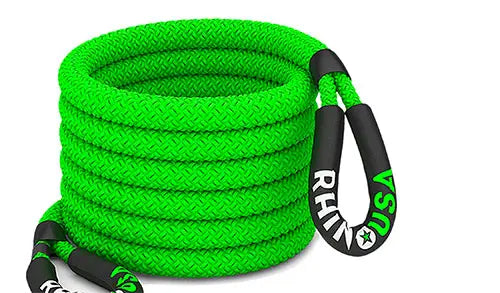
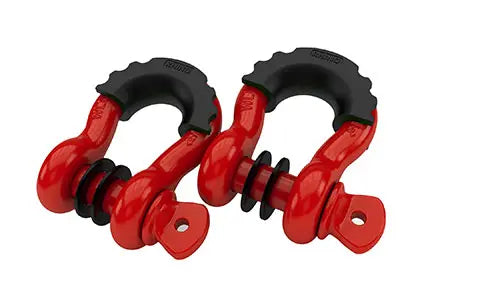
A Rubicon’s extra capability means it can reach terrain a Sport never will, which also means a higher chance of needing a real recovery, not just a tow. Every Wrangler owner, regardless of trim, should keep a basic recovery kit in the vehicle: a rated recovery tow strap, a set of soft shackles or D-ring shackles, and, if you wheel with a group, a tree saver strap to protect the anchor point you pull from.
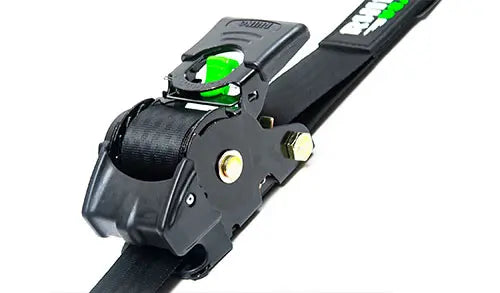
A Sport or Sahara that mostly sees pavement and light trails still benefits from a basic set of tie-down straps for hauling gear to the trailhead. For the full lineup of rated straps, shackles, and hitch accessories, start at the recovery gear collection.
FAQs
How much does a Jeep Wrangler weigh?
A Jeep Wrangler weighs anywhere between 3,948 pounds and 5,200 pounds depending on the model. The lighter Jeep models are the two-door Wrangler Sport, and the heavier Jeep Wrangler is the new 4xe, due to the heavy batteries in the hybrid powertrain.
How much can a Jeep Wrangler tow?
The Jeep Wrangler has a tow capacity between 2,000 pounds and 3,500 pounds depending on the model and year. Most of the 4-door Jeep Wrangler models can tow up to 3,500 pounds.
What are the main differences between a Jeep Wrangler and a Jeep Wrangler Rubicon?
The primary differences between a Jeep Wrangler and a Jeep Wrangler Rubicon lie in their off-road capabilities. The Wrangler is a versatile off-roader designed for various terrains, while the Wrangler Rubicon is equipped with advanced off-road features, such as locking differentials, heavy-duty axles, and enhanced suspension, making it better suited for tackling challenging trails and obstacles.
What does Rubicon actually mean on a Jeep Wrangler?
Rubicon is a factory trim, not a separate vehicle. It names Jeep’s most off-road-capable Wrangler package—Dana 44 axles, Tru-Lok locking differentials, a low-range Rock-Trac transfer case, and a disconnecting front sway bar—built in at the factory rather than added on afterward.
Is a Rubicon still a Jeep Wrangler?
Yes. Every Rubicon starts life as a Wrangler and shares its body, interior architecture, and engine options with Sport, Sahara, and Willys. The Rubicon badge simply marks the trim with the heaviest-duty off-road hardware in the lineup.
How much more expensive is a Rubicon than a Sahara?
On 2026 four-door models, Rubicon starts at roughly $52,530 versus about $50,905 for Sahara, which is a gap of around $1,600 at MSRP. The bigger jump is from Sport to Rubicon, which runs closer to $11,500, since Sahara already carries most of the comfort options Rubicon builds on.
- Choosing a selection results in a full page refresh.