

What Recovery Gear Do You Need For Off-road and Overlanding?
Off-roading and overlanding give you the opportunity to pursue thrilling adventures, but it’s also important to take note of the risks involved. There are plenty of ways you can get in trouble while out in your vehicle, whether it’s breaking down, crashing, or getting stuck somewhere. Whatever happens, it’s good to be prepared, and having the right recovery gear is an essential part of that. Being prepared is the number one thing when it comes to off-roading.
The right recovery equipment can get you out of some sticky situations. You can use your equipment to rescue yourself, rather than have to wait for someone else to come and help you. At a minimum, you should always carry the absolute minimum recovery gear, but being aware of the need for all the gear ensures you’re comprehensively prepared for any situation. Whether you’re traveling alone or with others, you’ll be grateful that you’re able to recover your vehicle yourself if you ever get stuck.
It’s also crucial to have a cell phone and reliable cell service for safety and emergency communication during off-road recovery.
Introduction to Off-road Recovery
Venturing off the beaten path is what makes off-roading and overlanding so exhilarating, but it also means you’re more likely to encounter situations where your vehicle gets stuck or disabled. That’s where recovery gear comes in. Whether you’re navigating remote areas or tackling challenging trails, having the right recovery equipment—like soft shackles, winch lines, tow straps, and solid recovery points—can be the difference between a minor hiccup and a major ordeal. A well-prepared recovery kit should always include essentials like a tire repair kit, traction boards, and a winch, ensuring you’re ready to handle anything from a flat tire to a high-centered vehicle. By understanding the basics of off-road recovery and carrying the right gear, you’ll be able to recover your vehicle safely and efficiently, keeping your adventure on track and your confidence high.
Rhino USA Ultimate Kinetic Recovery Kit
If you want to make sure your vehicle is outfitted with the best overlanding and off-road recovery equipment, there are a few things you’ll need. Recovery kits are essential for off-road and overlanding adventures, as they include helpful tools like tire repair kits, traction boards, and tire deflators to ensure you’re prepared for any situation.
It’s helpful to have a complete kit and to be careful when practicing and using your recovery gear, as this can prevent damage and ensure safety during real recoveries.
Additionally, it’s smart to practice using your equipment so that you’re not suddenly faced with having to work it out in an emergency. Make sure the weights of your recovery gear are rated at least 1.5 to 2 times your vehicle's total weight for safety.
Kinetic Recovery Rope

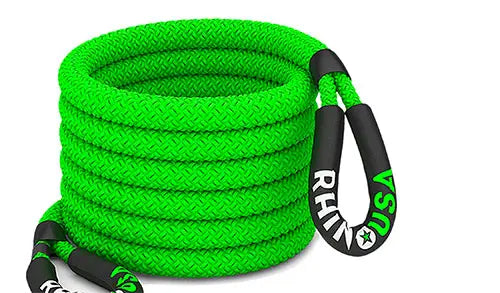
A recovery rope is one of the most basic but necessary items you should have as part of your recovery kit. They're versatile and can be used for many different things, including towing out a stuck vehicle. Rhino USA's Kinetic Recovery Rope is a great choice, available in several different sizes. These kinetic ropes have plenty of stretch and can store up to four times more energy than a tow strap for a smooth and safe recovery. Rhino's kinetic ropes are backed by a lifetime guarantee too, so you can rely on them to be there for you when you need them. They also come with a handy, durable storage bag, so you can store them neatly.
Tow Strap

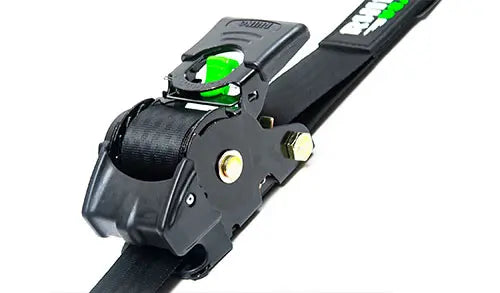
Tow straps are an alternative option for towing. One of the benefits of a tow strap is that it’s lower in price, so they might appeal to you if you’re on a budget. Rhino USA’s super strong tow straps are made from an exclusive poly/silk webbing, which makes them both soft and extremely tough. Although they don’t have the stretch of a recovery rope, they’re still useful. A snatch strap is a great piece of recovery equipment for snow wheeling because it allows the recovery vehicle to gain momentum.
Recovery tow straps are usually used for towing alone, whereas kinetic ropes are a good pick for vehicle-to-vehicle recovery. Static tow straps are used for steady towing and should not be used for dynamic recovery due to the shock they can cause. You can choose from a few different sizes to meet your needs, and you get a carry bag that has space for plenty of other accessories.
Soft Shackles
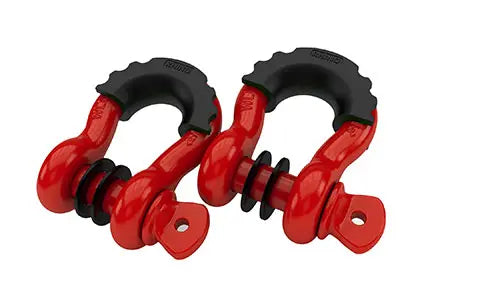
In addition to having a rope or strap to pull you out if you get stuck, having a few shackles is also important. Shackles have plenty of different applications, so they can really help you out if you’re in a bind. While shackles are traditionally made from hard materials, Rhino USA’s soft shackles are an excellent alternative. Soft shackles are easy to store and they’re malleable, giving them more flexibility and allowing you to use them in more ways.
Soft shackles are considered a safer alternative to hard shackles in certain recovery situations, as hard shackles are designed for high-strength connections but can pose a greater risk if they fail.
Rhino’s soft shackles have been tested to show a break strength of more than 46,000 and they feature a sleeve to provide extra durability. They also won’t sink in mud or soft sand, staying above ground for a more efficient recovery. Soft shackles are lightweight and strong, but can be damaged by sharp edges, so care should be taken during use.
A Shovel
Everyone needs a shovel if they're planning on going off-roading or overlanding. It gives you an essential tool to dig your way out of any trouble. Of course, shovels can take up a lot of space, but that's where a collapsible or folding shovel can come in handy. When you can collapse or fold your shovel, it takes up much less space so it's easier to justify keeping it in your recovery gear. The Rhino USA Folding Survival Shovel is a recovery must-have for your Jeep, 4x4, or ATV. Made from heavy-duty carbon steel, it's the multifunctional tool you'll always want to have to hand. It folds neatly in two places to make it compact and fits into a small, heavy-duty carry bag.
Your shovel will help you to dig your wheels out and prepare the ground for recovering your vehicle. Shovels are always useful for other purposes too, especially if you're camping. You never know when you might need to dig a hole, move aside some earth, or use your shovel for other purposes.
This shovel also comes with a pick, which is also useful to have. If you need to remove stones or even chip away at some ice, having a pick available can be the better tool over a shovel.

Winch
Of course, you should also make sure you have a winch to go with all of your other recovery equipment. A winch is one of the most useful tools you can have in your recovery arsenal. A good winch gives you the power of self-recovery, but make sure you get one that’s suitable for your needs. Choosing a high-quality winch is crucial for pulling vehicles out of tough situations. Winches can use either synthetic ropes, which are lighter and safer, or steel cables. The winch hook is the standard attachment found on most winches; it's cost-effective and commonly used, but it can slip if not looped correctly, so always check your connection. A winch pulley allows you to change the angle of your winch line or increase the force applied by the winch, making recoveries more versatile. Always use a winch line damper to prevent serious injury if the winch line breaks during recovery, as winching accidents can cause significant harm.
MUST READ: When to Use a Winch vs Kinetic Rope
Traction Boards
Traction boards can be used for a range of purposes, so they're always useful to have as part of your recovery kit. They can help to provide more traction for your wheels when you're stuck, and you can sometimes dig to get them into place or use them in combination with a winch. Rhino USA traction boards are made with reinforced nylon and can withstand 10 tons of pressure. They're an excellent accessory to have for self-recovery.

Tire Repair Kit
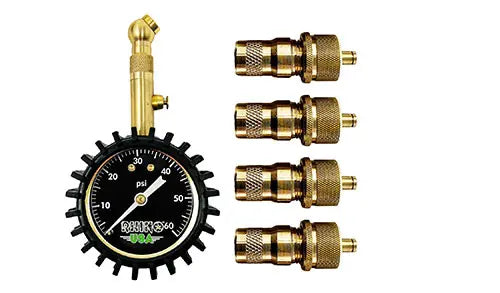
You never want your trip to be ruined by a busted tire. A tire repair kit will be there for you when you need it most so that you can make the necessary repairs and be on your way. Tire pressure deflators and air compressors are important for adjusting tire pressure to increase traction in challenging off-road conditions. A portable air compressor is essential for inflating tires after airing down and can help prevent getting stuck during off-road adventures. Tire repair kits from Rhino USA include a full 86-piece repair kit or, if you’re short on space, a compact 14-piece kit. Both kits contain essential tools for repairing tires while you’re off-roading or overlanding.
Communication Tools
Don't forget to take some communication tools with you when you're off-roading or overlanding. It's one of the most important things you can have with you, whether it's radio or GPS equipment.
Recovery Points and Attachments
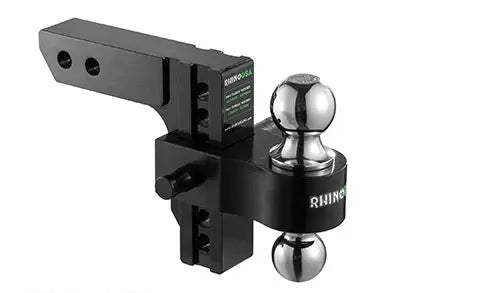
When it comes to safe vehicle recovery, using proper recovery points is non-negotiable. Recovery points are specially designed and securely attached to your vehicle’s frame, and each one comes with a Working Load Limit (WLL) that tells you the maximum force it can safely handle. It’s crucial to avoid using tie-down points for recovery—they’re not engineered for the same purpose and can fail unexpectedly, putting you and others at risk. Instead, look for dedicated recovery points or use a hitch receiver, which is bolted or welded directly to the frame and provides a reliable anchor for your recovery gear. Never use a tow hitch ball for recovery; it’s not built for the horizontal loads involved and can become a dangerous projectile if it breaks. Always double-check your recovery points before heading out, and make sure your recovery equipment is compatible for a safe and effective pull.
Bare Minimum Recovery Gear
If you’re heading out with a group, there’s a set of recovery gear you should never leave behind. At the bare minimum, pack a sturdy pair of gloves, a reliable shovel, a quality bottle jack kit with accessories, tough traction boards, a strong recovery strap, and a couple of soft shackles. For most off-road situations—whether you’re dealing with sand, snow, or mud—a kinetic rope and soft shackles are your best bet, while a static strap is ideal for rock crawling. This essential kit covers basic self-recovery and vehicle-to-vehicle pulls. If you’re traveling solo, you’ll want to add a dependable winch, a winching anchor kit (including a tree saver and steel shackles), a pulley block with an anchor kit, and abrasion guards to protect your winch line. With this gear, you’ll be prepared for most recovery scenarios, from sticky mud to rocky climbs.
Off Road Recovery Considerations
Every off-road recovery situation is unique, so it’s important to consider the terrain, your vehicle’s weight and size, and how many people are in your group. The right recovery gear can help you avoid getting stuck in the first place—use traction boards proactively before tackling tough obstacles, and pre-rig your winch if you’re facing steep or loose ground. Good tires, proper tire pressure, and traction control systems are your first line of defense against getting bogged down. Remember, traction boards are often more effective at preventing you from getting stuck than they are at getting you out, especially in deep mud or off-camber situations. By thinking ahead and using your recovery equipment wisely, you’ll spend less time stuck and more time enjoying the trail.
Recovery Gear for Rock Crawling
Rock crawling demands specialized recovery gear to handle the unique challenges of rugged terrain. Snatch blocks are a must-have piece of recovery equipment, as they can double the pulling power of your winch and allow you to change the direction of your winch line for tricky angles. Tree saver straps are essential accessories for anyone using a winch—they wrap around a tree or other anchor point, protecting both the tree and your winch line from damage. Winch pulleys are another valuable tool, letting you adjust the angle of your pull or increase the force applied by your winch. For complex recoveries, you may need to re-rig your pulleys multiple times to gradually shift the angle or direction of your pull. Always attach your pulley to a tree saver or a secure vehicle recovery point using a shackle, and make sure all your gear is rated for the loads involved. With the right recovery gear, you’ll be ready to tackle even the toughest rock crawling challenges safely and efficiently.
Be Prepared with Rhino USA
Get ready for any off-roading or overlanding trip with recovery gear from Rhino USA. Our equipment comes from an American-owned and family-operated company offering lifetime warranties. All of our equipment is designed and lab tested in the USA to ensure you get the very best quality.

FAQ's
How do I choose the right recovery gear for my off-road and overlanding adventures?
When choosing recovery gear for off-road and overlanding, consider factors such as the weight and size of your vehicle, the terrain you’ll be traversing, and the specific recovery scenarios you anticipate encountering. It’s important to invest in high-quality gear that matches your vehicle’s weight and has appropriate weight ratings. Additionally, consider the durability, ease of use, and compatibility with other recovery equipment. A comprehensive recovery kit should also include a hi lift jack and a fire extinguisher, as these are essential for both recovery situations and overall safety. Researching and seeking advice from experienced off-roaders or professionals can also help you make informed decisions when selecting the right recovery gear for your needs.
How do I properly maintain and inspect my off-road recovery gear?
Regular maintenance and inspections are crucial for ensuring the effectiveness and safety of your off-road recovery gear. Here are some general tips:
-
Inspect your gear before each use, checking for any signs of wear, fraying, or damage.
-
Clean and dry your gear after each use to prevent rust and maintain its integrity.
-
Store your gear in a clean, dry, and protected environment.
-
Follow the manufacturer's guidelines for maintenance and storage.
-
Replace any damaged or worn-out gear promptly to maintain optimal safety.
-
Consider periodic professional inspections or certifications for critical gear like winches or kinetic ropes.
- Choosing a selection results in a full page refresh.