



What is Overlanding? The Best Rundown for Newbies
Overlanding is self-reliant overland travel to remote destinations where the journey is the principal goal. Typically, overlanding involves the use of mechanized off-road capable transport, such as SUVs, trucks, and vans, allowing travelers to explore remote trails and areas that are less frequently visited. The heart of overlanding is adventure, self-reliance, and exploration—making it a rewarding pursuit for those who crave the thrill of the unknown and the satisfaction of being prepared for anything.
Whether you’re dreaming of traversing deserts, forests, or mountain passes, overlanding offers a unique way to experience the world. It’s about embracing the journey, not just the destination, and developing the skills and mindset needed for extended, self-supported travel.
What Makes Overlanding Unique?
Overlanding is often confused with other forms of travel such as car camping, road trips, and off-roading, but it emphasizes the journey itself rather than a specific destination. Here’s how overlanding stands apart:
Car Camping: Usually involves easy-to-access, established campgrounds and simpler vehicle setups. The focus is on convenience and comfort, not necessarily adventure or self-reliance.
Road Trips: Centered around reaching a specific destination, often using paved roads and staying in hotels or established campsites.
Off-Roading: Focuses on technical driving skills and challenging terrain, but typically as a day activity or short excursion, not extended travel.
In contrast, overlanding is about venturing into remote and challenging environments, often for weeks or months at a time, with self-sufficiency and exploration as the main goals. It typically involves camping as the principal form of lodging and requires careful planning, resource management, and a spirit of adventure.
Now that you understand what overlanding is and how it differs from other travel styles, let’s look at what makes an overland journey special.
What is an Overland Journey in Overlanding?

Think of overlanding as a blend of off-roading, camping, and traveling to remote areas with little prior exploration—all rolled into one. This activity is perfect for anyone with a reliable off-road vehicle, a tent, and the time to explore the great outdoors. While a tent is not strictly necessary if your vehicle is suitable for lodging, it is highly recommended for comfort during extended trips.
Overlanding requires:
Significant time and patience
Self-reliant travel and camping in remote areas
Handling your own logistics, repairs, and resource management
Embracing a minimalist lifestyle and making the most of limited resources
If you enjoy long journeys, discovering new places, and spending quality time with friends or family, overlanding could be your ideal adventure. However, if extended road trips sound unappealing, overlanding may not be for you.
Now that you have a sense of what an overland journey entails, let’s dive into the vehicles and gear that make these adventures possible.
Best Overlanding Vehicle and Gear for Overlanding
Choosing Your Overlanding Vehicle
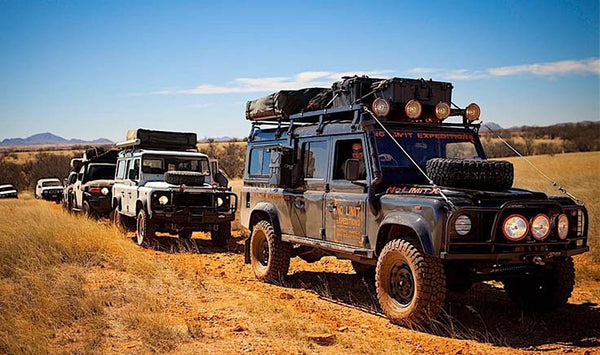
Overlanding involves many elements—mud, rocks, water, lakebeds, and more. Choosing the best vehicle for overlanding means considering off-road capabilities, reliability, and adaptability for long-distance travel. Overlanding typically involves mechanized off-road capable transport, such as:
Vehicle Type |
Examples |
Notes |
|---|---|---|
4WD Station Wagons |
Toyota Land Cruiser, Subaru Outback |
Good for families and moderate terrain |
Trucks |
Toyota Tacoma, Ford Ranger, Jeep Gladiator |
Popular for their durability and space |
SUVs |
Jeep Wrangler, Toyota 4Runner, Land Rover |
Versatile and widely used |
Vans |
Mercedes Sprinter, Ford Transit |
Great for comfort and storage |
Motorcycles |
BMW GS Series, Honda Africa Twin |
For solo, minimalist overlanders |
Many overlanders modify their vehicles to enhance off-road capabilities and comfort, adding features like rooftop tents, upgraded suspension, and extra storage.
Essential Overlanding Gear
Proper gear is crucial for safety and comfort. Here are some must-have items for your journey:
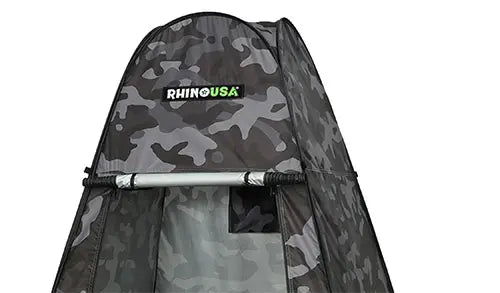
High-Quality Tent
Emergency First-Aid Kit
Powerful Flashlight
Reliable Compass
Map or GPS System
Plenty of Water
Vehicle Toolkit
Full-Size Spare Tire
Toiletries
Camping Supplies
Featured Product: Rhino USA Rooftop Cargo Bag

Remember, being properly prepared is essential. Getting stranded in a remote area can be dangerous, so always ensure your vehicle and gear are up to the task.
Now that you know what vehicles and gear are needed, let's explore the history and evolution of overlanding.
The History and Modern Overlanding

The term “overlanding” originated in Australia, where it referred to the droving of livestock over long distances. By the mid-19th century, the definition expanded to include activities like African safaris. It wasn’t until the early 20th century that overlanding evolved into a popular form of adventure travel.
Modern overlanding has grown with advancements in technology, improved equipment, and greater accessibility. Today, it’s a global phenomenon, attracting adventurers of all ages and backgrounds who seek self-reliant exploration and a deeper connection with nature.
With a sense of history in mind, let’s move on to how you can plan and prepare for your first overlanding adventure.
Planning and Preparation for Your First Overlanding Adventure
Embarking on your first overland journey is an exciting step into the world of adventure travel. Here’s how to get started:
Steps for Planning Your Overlanding Trip
Understand the Overlanding Mindset: Remember, overlanding is about self-reliant travel to remote destinations, with the journey as the main goal.
Choose the Right Vehicle: Select a rugged 4x4, capable SUV, or well-equipped van that can handle long distances and off-grid living.
Plan Your Route: Consider the time of year, weather conditions, and accessibility of roads and trails. Research local resources such as fuel stops, water sources, and emergency services.
Pack Essential Gear: Bring sleeping bags, a reliable tent, cooking equipment, and enough food and water for the journey.
Set a Daily Budget: Manage expenses and ensure you have enough supplies for the entire trip.
Prepare for Extended Camping: Overlanding often means camping for extended periods, so be ready for off-grid living.
With thoughtful planning and preparation, your first overlanding adventure can be a rewarding experience that opens up a world of exploration and self-reliance.
Next, let’s look at the off-roading skills and techniques every beginner should know.
Off-Roading Skills and Techniques Every Beginner Should Know
Mastering off-roading skills is essential for anyone looking to dive into overlanding. Before you set out, take time to learn the basics:
Key Off-Roading Skills
Navigating rough terrain
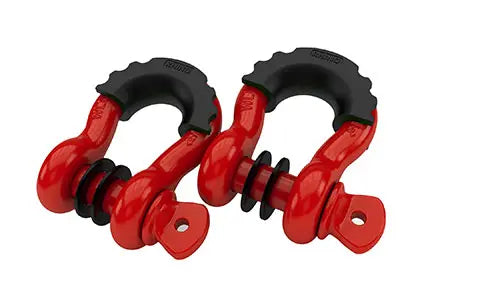
Using recovery gear
Maintaining your vehicle
Driving off-grid, away from cell service and paved roads
Consider enrolling in an off-roading course or workshop to learn from experienced instructors and practice essential techniques in a safe environment. With each trip, you’ll become more comfortable tackling challenging conditions and will be better prepared for the adventures that overlanding has to offer.
Now that you’re equipped with the right skills, let’s explore some popular overlanding routes to inspire your journey.
Popular Overlanding Routes to Inspire Your Journey
The world is full of legendary overlanding routes that promise adventure, breathtaking scenery, and cultural experiences. Here are a few iconic examples:
Pan American Highway: Stretches from Alaska to Argentina, crossing diverse landscapes and international boundaries.
Silk Road: Connects Europe and Asia along ancient trade routes, offering a blend of history and adventure.
Cape Town to Cairo: A favorite in Africa, mixing remote destinations, vibrant cities, and stunning natural wonders.
Mojave Road (USA): Historic trail through the American Southwest, combining off-roading with scenic camping spots.
Trans-Wisconsin Adventure Trail (USA): A classic American overland route.
Canning Stock Route (Australia): One of the world’s most remote and challenging overland trails.
When planning your journey, consider road conditions, weather, and local regulations. Whether you’re crossing international borders or exploring your own backyard, there’s a route to match your sense of adventure.
Let’s wrap up by considering if overlanding is right for you.
Is Overlanding for Everyone?

Overlanding is an incredible way to experience adventure, but it requires time, preparation, and a willingness to embrace challenges. The overlanding community is known for its collaborative and supportive nature, where members share knowledge, advice, and a passion for adventure and environmental preservation.
Key considerations:
Be ready for different challenges along the way
Always include a first-aid kit and emergency food supplies
Many overlanders use rooftop tents or specialized trailers for shelter
If you value self-reliance, exploration, and the journey itself, overlanding could be the perfect adventure for you.
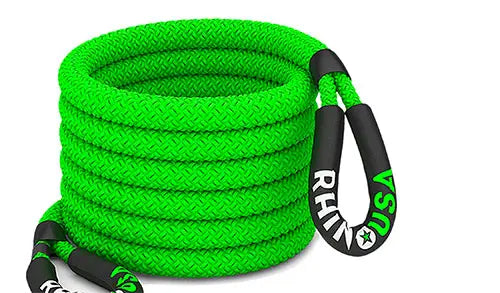
We hope this article was helpful and informative. At Rhino USA, we provide high-quality recovery gear, tie-down straps, and more. If you’re in the market for new gear, check out our online store at www.rhinousainc.com.

FAQ's
How Do I Start Overlanding?
Overlanding can be an expensive hobby to start, but it can also be done on a budget. You’ll need a vehicle suitable for almost all terrains and able to cover long distances over an extended period. We recommend checking out our list of best overlanding vehicles under $10,000! Outside of having a dedicated overlanding vehicle, be prepared with the proper gear. Make sure you check out our list of essential overlanding and off-road gear.
- Choosing a selection results in a full page refresh.