



The Off-Road Revolution: Reach to the Beach
This guide covers everything you need to know about off-road beach driving, including preparation, safety tips, access requirements, and essential techniques. Whether you're a first-timer or a seasoned off-roader, you'll find practical advice for a safe and enjoyable experience.

There’s nothing quite like the thrill of beach driving along the Outer Banks. With miles of unspoiled beaches, soft sand under your tires, and the salty breeze in your hair, it’s an off-road adventure that’s hard to beat. Whether you’re a seasoned off-road enthusiast or a first-timer, driving on the beach opens up a whole new world of exploration. But before you hit the sand, it’s important to know the basics—starting with securing your beach driving permits and brushing up on the local rules. Each stretch of the Outer Banks has its own regulations, so make sure you’re up to speed before you go. From understanding the unique challenges of soft sand to respecting the environment and other beachgoers, a little preparation goes a long way in making your beach driving experience safe and unforgettable.
Access to designated off-road beaches often requires 4WD/AWD vehicles, special permits, and adherence to seasonal, tidal, and nesting restrictions. A current driver's license, valid vehicle registration, insurance, and license plate are required for all vehicles. It is advisable to check local regulations regarding permits and beach access before driving on designated beaches. Beach driving permits are required for driving on designated ORV routes in the Cape Hatteras National Seashore.

The best time to drive on the beach is during low tide when the sand is more hard-packed and easier to navigate. Avoid driving in salt water, as it is highly corrosive and can cause long-term damage to your vehicle. Now that you know what to expect, let’s dive into how to prepare for your off-road beach adventure.
Pre-Trip Preparation
A little pre-trip prep can make all the difference for a successful and safe beach driving experience.
Essential Gear
Before you roll onto the sandy shores, make sure you have the following essential gear:
Tire pressure gauge (to monitor and adjust tire pressure)
Portable air compressor (for re-inflating tires after leaving the beach)
Shovel (for digging out if you get stuck)
Traction boards (to help regain traction in soft sand)
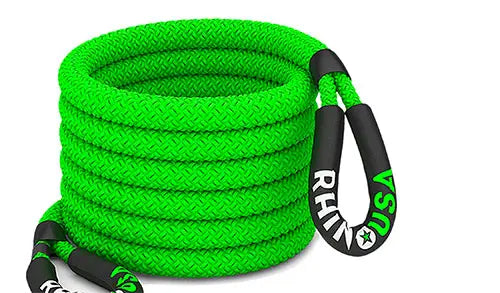
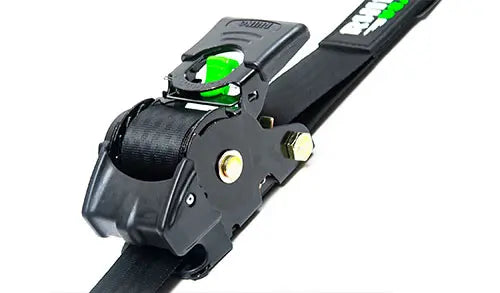
Recovery strap or tow strap
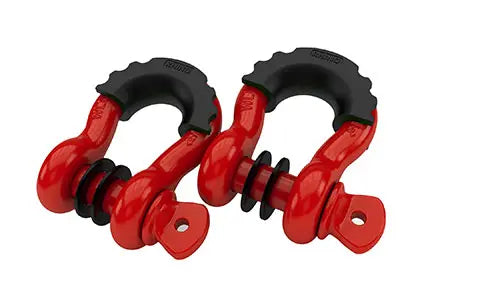
D-rings or shackles
First aid kit
Fire extinguisher
Jack (suitable for sand)
Low-pressure tire gauge
Spare tire in good condition
Lowering tire pressure to 15-25 psi is recommended when driving on the beach to improve traction by increasing the tire's footprint. This helps prevent getting stuck in soft sand.

A four-wheel-drive (4WD) vehicle is highly recommended for driving on the beach. Driving on the beach requires a 4WD vehicle to navigate the soft sand effectively.
Permits and Regulations
Obtain the necessary beach driving permits, which are required for driving on designated ORV routes in the Cape Hatteras National Seashore and other regulated areas.
Ensure your vehicle is registered, licensed, and insured for highway use.
Carry your current driver’s license, vehicle registration, insurance, and license plate.
Check local regulations regarding permits, access points, and seasonal or environmental restrictions.
Weather and Tide Checks
Review the latest beach conditions and weather forecast.
Always check the tide tables so you don’t get caught by a sudden high tide. Sandy beach driving is safest within a few hours of low tide to ensure sufficient firm sand is available.
Be aware of any seasonal restrictions, such as turtle nesting seasons or off-season closures.
Once you have your gear and permits ready, it's time to focus on staying safe while driving on the sand.
Off-Road Safety
Safety should always be your top priority when driving off road on the beach.
Speed and Traction
Maintain a slow and steady speed to avoid getting bogged down in soft sand.
Avoid sharp turns and sudden stops, as these can cause you to lose traction or sink into the sand.
Follow in the tire tracks of the vehicle in front of you for a firmer surface.
Wildlife and Dune Awareness
Be extra cautious around dunes, where visibility can be limited.
Watch for wildlife such as wild horses and sea turtles that call the Outer Banks home.
Never drive on, over, or across sand dunes to protect local ecosystems.
Avoid driving or parking on vegetation to prevent damage.
Getting Unstuck
If you get stuck in the sand, follow these steps:
Stay calm and avoid spinning your tires.
Use a shovel to clear sand from around the tires.
Place traction boards under the tires if available.
Gently accelerate to regain momentum.
If needed, use a recovery strap and another vehicle to pull you out.
With safety in mind, let's look at how to access the beach and what to expect.
Accessing the Beach
Getting your off road vehicle onto the beach is part of the adventure, but it does require a little know-how.
Popular spots like Kill Devil Hills, Nags Head, and other areas along the Outer Banks offer designated access ramps and parking lots.
In certain areas, such as Currituck County, you’ll need additional passes or parking permits—especially from the first Saturday in April through the last Sunday in October.
Always pay attention to posted signs and follow any instructions from park rangers to ensure you’re parking and driving in the right places.
High tides can limit access, so plan your trip around the tide schedule and be prepared to walk a bit if parking is tight.
Respect the environment, the dune line, and your fellow beachgoers.
Now that you know how to access the beach, let’s explore the techniques that will help you drive safely and confidently on sand.
Off-Roading Techniques
Mastering the art of sand driving is all about technique and patience.
Lowering Tire Pressure
Lowering tire pressure to 15-25 psi is recommended when driving on the beach to improve traction by increasing the tire's footprint. This helps your tires float over the sand rather than digging in.
Maintaining Momentum
Keep your speed steady as you cruise over soft sand and dunes.
Avoid sudden stops, sharp turns, or quick acceleration, as these can leave you stuck in loose sand.
Use gradual steering adjustments to maintain control.
Recovery Steps
If you do find yourself bogged down, don’t panic. Here’s what to do:
Stop and assess the situation.
Lower your tire pressure further if needed.
Use a shovel to clear sand from around the tires.
Place traction boards or mats under the tires.
Gently accelerate to regain momentum.
If necessary, use a recovery strap and another vehicle for assistance.
Environmental Cautions
Avoid driving in salt water, as it is highly corrosive and can cause long-term damage to your vehicle.
After off-road and beach driving, always wash your vehicle thoroughly to remove salt water and prevent corrosion.
With these techniques, you’ll be driving on the beach like a pro, soaking in the views and the thrill of true off-road freedom.
- Choosing a selection results in a full page refresh.