

How to Properly Load Dirt Bikes into a Pickup Truck
Loading a dirt bike into a pickup truck may seem like a difficult task, but loading two dirt bikes? Sounds even more difficult. If you are new to dirt biking you may hit “a few bumps in the road” when beginning the loading practice, but after a while we are confident you will get the hang of it with no problems. Proper loading and tie-down techniques are essential to prevent damage to your bike and ensure safety during transport. This guide is designed for new and experienced dirt bike owners who want a safe, step-by-step process for loading their bikes into a truck.
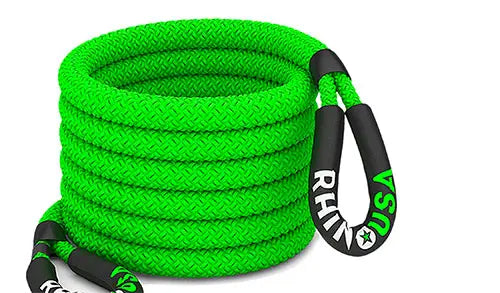
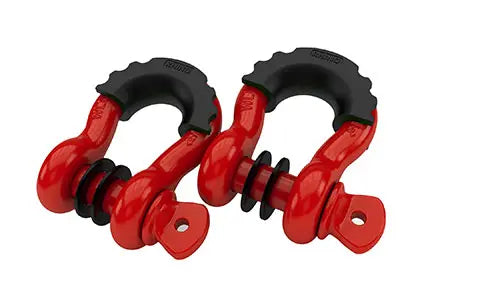
Before we get started, there are a few pieces of equipment you will need to have:
Wheel chocks are optional. Personally, we have never used them. The method we use to tie-down our bikes at Rhino eliminates the need for a wheel chock, even if you are tying more than one bike down.
Preparing the Truck
Inspecting the Truck Bed
Before you consider the transportation of your dirt bike, it is essential that you properly prepare your truck bed to ensure optimal security and protection during transit. Begin by conducting a thorough inspection and removal of any debris, loose equipment, or tools that could potentially interfere with the loading process or cause damage to your motorcycle during transport. A meticulously maintained truck bed serves not only to protect your valuable dirt bike investment but also facilitates the proper securing of all transportation equipment.
Checking Anchor Points
Subsequently, you must verify that your truck bed is equipped with appropriate and reliable anchoring systems—specifically examining for d-rings or heavy-duty mounting hooks that are securely fastened to the bed walls or floor surfaces. These attachment points are absolutely critical for the proper installation of your restraint straps and maintaining vehicular stability throughout your journey. If your truck features a shorter bed configuration, you may need to implement alternative solutions: utilizing professional-grade loading ramps or considering a specialized trailer can significantly enhance the loading and unloading procedures, particularly when dealing with longer wheelbase dirt bike models.
Assessing Suspension and Tailgate
Conduct a comprehensive examination of the bed walls and tailgate mechanism for any indication of structural damage or compromised integrity. You must ensure that both components are capable of withstanding the weight distribution and tension forces generated by your motorcycle and the securing apparatus during transportation. Additionally, it is advisable to assess your truck's suspension system—transporting a dirt bike introduces additional weight loads, and a properly functioning suspension system is fundamental to achieving a smooth and safe transport experience.
Dedicating adequate time to the preparation of your truck bed and securing mechanisms will substantially improve the overall safety and security of the entire loading and transportation process, regardless of whether you are transporting a single motorcycle or multiple units.
How to Load & Tie-Down a Dirt Bike
Parking and Ramp Setup
Begin by parking your truck in a flat area. Doing so will ensure that your loading ramp is at an easier angle when lifting the bike into your pickup truck bed. Now simply unfold your ramp, and place the finger ends onto the tailgate with the opposite end on the asphalt.
PRO TIP: If the loading ramp feels a bit wobbly, or loose, and you are unsure that it will hold stable during the load, simply use tie-down straps to secure it to a metal endpoint underneath the tailgate.
Loading the Dirt Bike
This part is a lot easier than it looks. Start by setting the dirt bike into neutral, and line it up a few feet back from the foot of your loading ramp. Now, stand on one side and hold it by the bars (handlebars). In one swift and effortless motion, begin pushing your dirt bike up the ramp and into the box (bed) of your truck.
If you are loading a single bike, try putting it diagonally in the center of the box, with the front tire in the front left side or passenger side corner and the rear tire at the other end (rear edge). This helps secure the bike, allows for better visibility out the rear view mirror, and improves the life and safety of your bike during transport. Placing the bike in the center or at the edge of the bed can also add stability. Using a front wheel chock can help stabilize the bike and protect suspension components. If you are loading two bikes, have them sitting straight with the front wheels turned inwards facing each other. This is especially necessary if you do not have wheel chocks, as it will add more stability for your two bikes during transportation on the road.
Tying Down the Dirt Bike
Inspecting Straps
If you have an extra set of helping hands now would be the time to put them to use, especially if you are going to be tying down more than one dirt bike. However, if you are only tying down a single bike, you can use the above-mentioned diagonal load to brace the bike well-enough to hold it upright with one hand. Use your other hand to grab ahold of your tie-down straps and prepare to tie-down the bike.
Before you start, inspect your straps for fraying or UV damage and replace any that show signs of wear. For best results, use high-quality ratchet straps with soft loops and closed hook tie downs to prevent them from coming undone during transport.
Choosing Tie-Down Points
When choosing tie-down points, use the lower triple clamps, frame, or foot pegs—avoid attaching straps directly to the handlebars or grips, as bars can rotate or break. Strapping from the foot pegs can help avoid compressing the forks. Place the front tire against the front of the box (truck bed) for added stability.
Securing the Bike
Follow these steps to tie down your dirt bike:
-
Hook the closed hook-end of the strap into the front-right metal ring inside of your truck bed.
-
Attach the opposite soft loop-end to a secure point such as the right lower triple clamp or frame of your dirt bike. Avoid using bolts, as proper strap tension is sufficient.
-
Begin tightening the ratchet mechanism to remove any slack, but do not make it too tight—apply enough tension to compress the front suspension by about one-third. Strapping the bike down too tightly can lead to damage, particularly to the fork seals, so ensure the straps are tight enough to prevent movement but not so tight that they damage the suspension or over-compress the forks. Placing a 4x4 or similar object between the front tire and the fender can help limit fork compression and protect the fork seals.
-
Once you have finished tying down the first side, repeat the process for the second side of your bike.
-
For added security, it is recommended to use at least four tie-downs, but two straps may be sufficient for one bike if properly secured. Make sure each strap is attached to a solid point like the frame, triple clamps, or foot pegs.
-
Repeat this process as necessary for tying down more than one dirt bike in your truck bed.
Post-Loading Checks
After securing the bike, perform a 'shake test' to ensure it does not shift and will not fall during transport. Stop after the first 10-20 miles of travel to re-tighten the straps, as the load may settle. Proper tie-down technique and correct tension will keep your bike stable and prevent any risk of fall or damage to the forks, fork seals, or other components.
If you are new to using ratchet straps, read this informative guide with detailed step-by-step instructions on using ratchet tie-down straps. We recommend learning this before transporting your bike.
Shake Test and Final Checks
Once all straps are in place and tightened, give your bike a firm shake to ensure it is secure. Double-check all tie-down points and strap tension. Make sure nothing is loose or at risk of coming undone during transport.
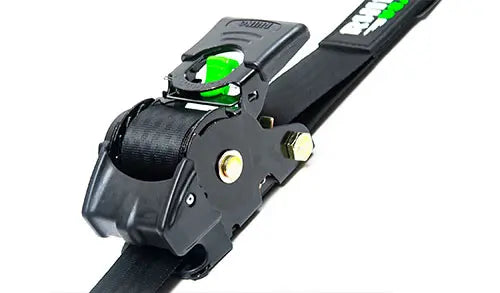
Featured Product: Rhino USA Cambuckle Tie Down Straps
Optional: Tie-Down the Rear Wheel(s)
Tying down the rear wheel of your bike(s) is optional, and in most cases, unnecessary. Especially so if your rear tire is on a diagonal axis like our guide instructed above. However, if you would like to tie the rear wheel down, simply run a tie-down strap through the wheel, loop it around your tire once, and attach both ends of the tie-down strap to the left and right metal loops in the rear of your truck bed.

If you have any questions regarding this guide, do not hesitate to reach out to one of our experts at Rhino. Give our team a call anytime at +1 (800) 575-7310 and we would be more than happy to help.
Unloading Your Dirt Bike
When it comes to unloading your dirt bike, follow this quick checklist to ensure safety and prevent damage:
-
Systematically loosen the tie downs and securing straps that have maintained your bike's position in the truck bed.
-
Maintain a firm grip on the bike as you release each restraint system to prevent unexpected shifting or tipping.
-
Position your ramp securely on the tailgate, or utilize a designated stand if available, to provide adequate support as you guide the bike through the unloading process.
-
Carefully extract the bike from the truck bed while maintaining complete control and balance.
-
If your bike exceeds manageable weight limits or you are unloading without assistance, seek help or engage a second person for stabilization.
-
Once the bike is on the ground, verify its stability before releasing control.
-
Conduct a comprehensive inspection of your dirt bike to identify any signs of damage or wear that may have occurred during transport.
Proper unloading procedures are just as critical as loading protocols—by maintaining control and utilizing appropriate equipment, you can ensure your bike remains in optimal condition and ready for subsequent operation.
FAQ's
What are the best dirt bike tie downs?
At Rhino USA, we recommend using the cambuckle tie down straps for securing your dirt bike in the back of a pick up truck. It only requires two cambuckle tie downs to secure your dirt bike. Alternatively, we also have the best ratchet tie down straps for dirt bikes, which can also be used to secure your bike.
Are dirt bikes street legal?
Dirt bikes are typically not street legal by default. They are designed and built for off-road use, and they may lack essential components required for safe and legal operation on public roads. This is one of the main reasons why it is so important to have the right tie downs when transporting your dirt bike. However, it's important to note that some dirt bikes can be modified to become street legal in certain jurisdictions. The specific requirements to make a dirt bike legal vary depending on your local laws and regulations
- Choosing a selection results in a full page refresh.