

Checklist for Buying a Used Jeep Wrangler in 2024
The Jeep Wrangler has seen several updates over the years, which must be considered before browsing the second-hand market. Jeep Wranglers often retain their value relatively well, but prices can vary significantly based on factors like model year, mileage, trim level, and the condition of the vehicle.
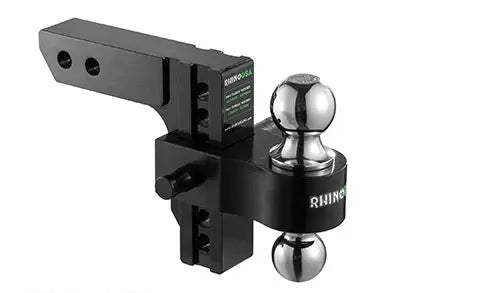
There are several key considerations buyers should keep in mind. They should be aware of the differences between various model years and trims, such as the Rubicon, known for its powerful off-road capabilities, or the Sahara, which offers more comfort and style-focused amenities. In addition, understanding the implications of mileage on a Wrangler's condition is crucial since these vehicles are often used in demanding environments that can influence their longevity and maintenance needs. For those planning to tow, investing in a high-quality accessory like the 6" Adjustable Drop Hitch can enhance safety and convenience.
Pre-Purchase Considerations

Before purchasing a used Jeep Wrangler there are a few items to research and consider. Carefully reviewing these items will better assist you in picking the right Jeep.
1. Selecting the Right Model and Year
Choosing the correct model and year is crucial when buying a used Wrangler. Newer models might offer more advanced features but at a higher cost. Older Wranglers can be less expensive upfront, but they often require more maintenance. Carefully research which models and years are best suited for your needs and balance this with the depreciation rate and potential long-term costs.
2. Understanding Common Jeep Issues
Familiarize yourself with known issues specific to the Jeep Wrangler, such as undercarriage rust or a history of reliability concerns, especially if the vehicle was commonly used off-road. It's essential to thoroughly inspect the undercarriage and be aware that some issues might not be immediately apparent. If you are not sure what to look for, consider bringing a trusted mechanic along to inspect the vehicle for you.
3. Set Your Expectations
Be realistic about what to expect from a used Jeep Wrangler. They are known for their off-road capabilities and simple design, which can sacrifice comfort and some safety features found in more traditional SUVs. Potential owners should also consider their intended use—daily driving versus occasional off-road adventures—as this can shape which model and set of features to prioritize.
Initial Vehicle Inspection

The initial vehicle inspection is a critical step in the purchasing process of a used Jeep Wrangler. It ensures the prospective vehicle meets safety standards, maintains functionality, and helps to uncover any hidden issues that may require attention or affect the vehicle's value.
1. Examine Exterior Condition
Inspecting the exterior condition of the Jeep Wrangler involves looking for signs of damage, such as rust, dents, or scratches. Pay close attention to the frame and undercarriage, as these areas are susceptible to wear from off-road use.
-
Rust Areas: Check wheel wells, door edges, and undercarriage.
-
Body Damage: Look for dents, scratches, and mismatched paint.
2. Check Interior Wear and Features
The interior inspection involves evaluating the wear on seats, condition of the dashboard, and functionality of all features.
-
Upholstery: Check for rips, stains, and excessive wear on seats.
-
Dashboard & Electronics: Ensure all gauges, lights, and electronic systems function correctly.
3. Review Maintenance Records
Maintenance records provide insights into the Jeep's upkeep and can signal how well the vehicle has been maintained.
-
Service History: Confirm regular oil changes, brake work, and other routine services.
-
Major Repairs: Identify any significant past repairs or parts replacements.
4. Assess Modifications
Modifications can significantly impact the performance and value of a used Jeep Wrangler. It is crucial to review any aftermarket changes.
-
Quality of Modifications: Determine the professionalism of installed lifts, tires, or engine mods.
-
Impact on Warranty: Consider how modifications may have affected the manufacturer's warranty.
Mechanical Inspection

A mechanical inspection is crucial when buying a used Jeep Wrangler. One should thoroughly check the engine, transmission, brakes, and suspension to ensure the vehicle's reliability and performance.
1. Engine Health
The engine should start smoothly without extraneous noises or smoke. Check for leaks, test the oil quality and pressure, and ensure the cooling system functions properly. A compression test can reveal the health of the engine's cylinders.
2. Transmission and Drivetrain
Inspect the transmission for smooth operation and lack of slippage. For a Jeep Wrangler, ensure the 4×4 system engages and disengages with ease. Check the differentials and transfer case for leaks or damage.
3. Brake System Integrity
The brake system must respond promptly without any sponginess or unusual noises. Inspect the pads, rotors, and calipers, replacing any components that show excessive wear. Confirm that the brake fluid is clean and at the correct level.
4. Suspension and Wheel Assessment
Examine the suspension components for signs of wear or damage, including shocks, struts, bushings, and joints. Ensure the wheels are correctly aligned, and the tires display even wear, indicating a well-maintained suspension system.
5. Inspect for Oil Leaks and Rust
Crawl underneath the Jeep to look for signs of oil leaks, rust, and damage to the frame. Pay special attention to the skid plates, transfer case, and differential covers. Under the hood, inspect the engine bay for any leaks around the thermostat housing, heater core, or radiator. Look at the rear axle, brake lines and fuel lines for corrosion. Any oil stains, leaks or heavy rust on the body or frame are red flags that could point to bigger problems.
6. Evaluate Tires, Suspension and Steering
Bigger tires and lift kits can look great but they change how a Wrangler handles. Older models such as the Wrangler TJ and JK are often modified with oversized tires that strain the stock steering components, coil springs and ball joints. During your test drive, make sure the vehicle tracks straight, the steering feels responsive and there is no wobble or vibration at highway speeds. On rough terrain, listen for squeaks or clunks that could indicate worn coil springs or control arms. Check that the tires display even wear and consider whether the suspension upgrades are fun for off-road use or impractical for your daily commute.
7. Confirm Modifications and Stock Components
Many used Wranglers come with aftermarket parts. First thing, ask the seller or dealership what modifications have been installed and what stock components have been replaced. A lift kit, bigger tires or aftermarket bumpers aren't necessarily a bad thing, but poor quality upgrades or sloppy installation can create more worry than they're worth. Inspect plastic windows and doors to make sure they seal properly and look for wear on hinges or latches. Double‑check that safety features, like airbags and seat belts, haven't been disabled when putting in aftermarket seats. If possible, compare the current setup to what originally came from the factory so you know what you might pay to restore Buying a used TJ or JK with tasteful upgrades can be a great deal, but remember to budget your money for repairs or maintenance they might need. Modifications may not always add value—what matters most is being informed. Make sure any upgrades suit your needs, don't cover up bigger issues, and ask for receipts and documentation so you know exactly what you're buying.
Post-Inspection Steps

Once a used Jeep Wrangler has undergone a thorough inspection, potential buyers should turn their attention to the next steps: bargaining the price, arranging payment and insurance, and finalizing the deal documentation.
1. Negotiating the Purchase Price
Be sure to research the market value of the Wrangler you are considering using reliable automotive valuation websites. You can then present this information during price discussions, justifying your offer with data. If the inspection uncovered issues, you should adjust your offer accordingly, itemizing deductions and being prepared to walk away if the seller is unwilling to negotiate.
2. Securing Financing and Insurance
Before committing to the purchase, be sure to should lenders to secure loan pre-approval based on the best available interest rates and terms for the specific make and model of the used Jeep Wrangler. Take your time and shop for insurance, comparing quotes from multiple providers to ensure you get coverage at the best rate.
3. Finalizing the Paperwork
Both you and seller need to ensure all paperwork is complete and accurate, including the bill of sale, vehicle registration, and title transfer documents. It is crucial to:
-
Verify the Vehicle Identification Number (VIN) on all documents matches the VIN for the Jeep that you are purchasing.
-
Keep records of all repair documentation provided during inspection.
-
Complete any necessary emissions testing or safety inspections required by law.
Securing Rhino Recovery Gear

Before you take your newly owned vehicle off-road, it is important to consider taking some reliable recovery gear with you. Our collection of recovery gear is known for its durability and effectiveness in various recovery scenarios.
Essential Recovery Gear Items:
-
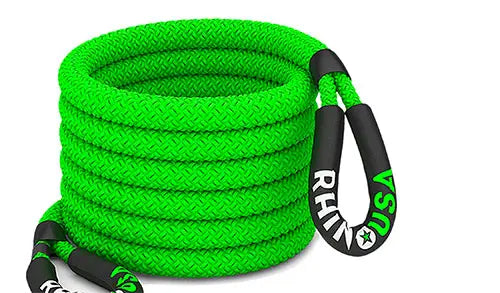
Recovery Strap: Look for a recovery strap without metal hooks which can be a hazard; instead, opt for a recovery strap with reinforced looped ends. A good length is between 20 to 30 feet.
-
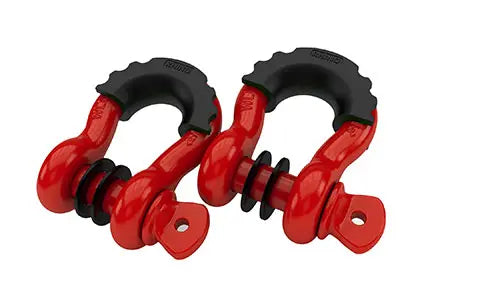
D-Ring Shackles: A durable set of d-ring shackles will complement the recovery strap. Preferably select a 3/4-inch d-ring shackle for its strength and compatibility.
-
Traction Board: These are crucial for regaining traction in sand, mud, or snow. Our traction boards are engineered for high traction and can bear the weight of a Wrangler.
-
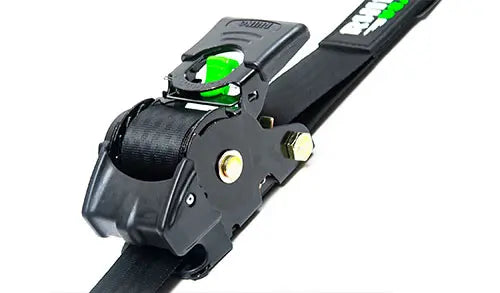
Car tie down lasso straps: Essential for securing your vehicle to a trailer, car carrier, or tow truck, ensuring your vehicle remains in place during transportation.
By including these items in one's checklist when evaluating a used Jeep Wrangler, buyers ensure they are prepared for off-road challenges such as backing up a trailer. Rhino's equipment offers a balance of quality and reliability, an ideal match for the rugged Wrangler.
- Choosing a selection results in a full page refresh.