

Best Off-Road Recovery Gear for Jeep Owners
Getting bogged down while being involved in off-road adventures is not something to be embarrassed about. In fact, danger can wait around every corner for drivers of any level of experience, from the most novice to the most seasoned; it is inevitable. That’s why it is important that you are equipped with the best Jeep recovery kit and gear to accomplish whatever recovery is necessary—whether it be for yourself or for whoever else in the group is hampered. At a bare minimum, every Jeep owner should carry essential recovery gear such as a recovery strap, D-shackles, a shovel, and a tire repair kit, while remembering that a well-trained driver and proactive tactics are just as important as the gear itself.
This guide is designed for Jeep owners and off-road enthusiasts who want to be fully prepared for any recovery situation. We cover the essential gear, safety tips, and top product recommendations to help you choose the best Jeep recovery kit for your adventures. Having the right recovery kit matters because it ensures your safety, self-sufficiency, and preparedness on the trail, allowing you to handle unexpected situations with confidence.
You may well go out on your off-road adventures thinking that you do not need to take a Jeep recovery kit—maybe you will assume your buddy or other people in your off-roading group will carry whatever is necessary. But there is no guarantee that this will always be the case. Even if someone does have adequate Jeep recovery gear, it is possible that they are not close enough to you for it to be of any use. Therefore, it is never a bad idea to double-check that you have everything you require in your Jeep recovery kit. This not only ensures that you will be able to handle any situation on your own, but it also makes it possible for you to assist any disabled vehicle in front of and behind you.
Choosing the Right Jeep Recovery Kit
Choosing the right recovery kit depends on the specific recovery needs and the type of terrain you will encounter. Recovery kits for Jeeps can be categorized into winching and non-winch configurations. Winching recovery kits typically include components like a winch line, winch line extension, and tree savers, while non-winch recovery kits often utilize kinetic recovery ropes or straps for vehicle recovery. A well-rounded recovery kit should include both winching and non-winch components to maximize versatility. Consider the types of terrain you’ll be facing—mud, sand, snow, or rocky trails—and select gear that matches those challenges. For example, kinetic ropes stretch to use energy for dynamic pulls, making them ideal for mud or sand, while traction boards are invaluable for regaining grip in loose or slippery conditions.
Essential Gear for Jeep Recovery Kits
Before diving into specific product recommendations, it’s important to understand the key components that make up a comprehensive recovery kit. Here are some essential items and their definitions:
-
Kinetic Recovery Rope: Kinetic ropes stretch to use energy for dynamic pulls, making them ideal for mud or sand.
-
Snatch Block: A snatch block can change the direction of a winch pull or double pulling power.
-
Traction Boards: Good traction boards can help tires regain traction in mud, sand, snow, and uneven terrain.
-
D-Rings and Soft Shackles: D-rings and soft shackles are used to securely connect straps to tow points.
-
Soft Shackles: Soft shackles are lighter and considered safer than metal shackles due to their behavior when failing.
A well-rounded recovery kit should include both winching and non-winch components for maximum versatility. Basic tools should also be part of your kit to handle common issues quickly and effectively.
What Does a Jeep Recovery Kit Include?
A quality Jeep recovery kit will contain a mix of winching and non-winch gear to cover a variety of recovery scenarios. Here’s what you should look for:
-
20ft x 7/8” Kinetic Recovery Rope - 30,580lb MBS
-
22in x 1/2” Synthetic Soft Shackles - (46,050 lb) BS
-
Folding E-Tool Recovery Shovel
-
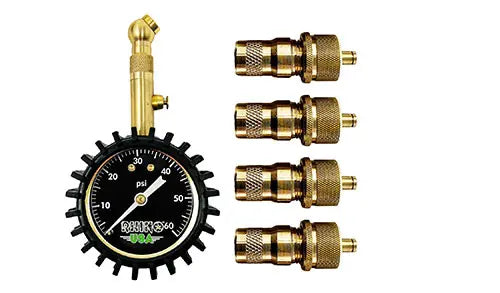
14pc Compact Tire Plug Repair Kit
-
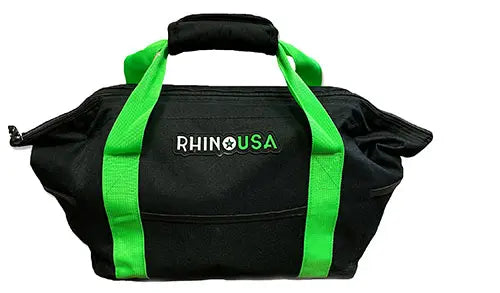
Camo Storage Bag
Sometimes, just something from the kit can be enough to get you out of a minor issue on the trail. Having all the essentials in one package saves you money and ensures you’re ready for anything.
Shop Rhino USA Jeep Recovery Kit
Now, let’s take a closer look at some of the most important recovery tools and how they can help you on the trail.
Recovery Snatch Block

In every recovery gear set, the Snatch Block is an essential component to have. A snatch block can change the direction of a winch pull or double pulling power, making it a versatile tool for self-recovery, redirecting pulls, or assisting others. This is a handy tool that everyone ought to have in their rig because it can be used to self-recover, change directions, pull someone else out, or quadruple the pulling power and weight of your winch cable. A snatch block is especially useful when there is no other vehicle available to assist in recovery, allowing you to get unstuck on your own.
The Rhino recovery snatch block has a heavy Duty 13.5 Ton Break Strength, meaning that it will help you straight out of wherever your ride is stuck!
Another essential tool for off-road recovery is traction boards, which help regain traction in challenging conditions.
Recovery Traction Boards
For every off-road adventure in a Jeep, traction boards are an absolutely necessary piece of safety recovery gear. Good traction boards can help tires regain traction in mud, sand, snow, and uneven terrain. The board is designed with recessed sections on the bottom that provide traction on different types of ground, including mud, loose dirt, sand, and snow. The knobs on the top of the board provide traction for the tires. They are multifunctional tools in that they have a variety of additional applications. If you wanted to save money and space by not purchasing a shovel, you could use it as a shovel for digging or leveling the ground to move earth away from your tires and help free up your vehicle.
Shop Rhino USA Traction Boards
Traction boards are just one part of a comprehensive recovery kit—let’s look at the connectors that make safe recoveries possible.
D Ring Shackles

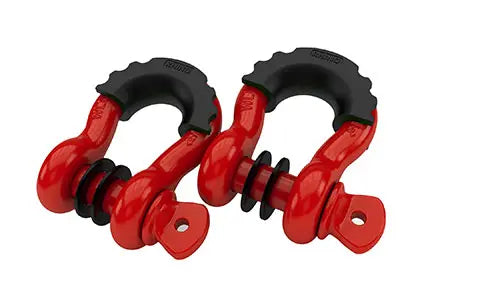
D rings are critical in your vehicle recovery gear kit. D-rings and soft shackles are used to securely connect straps to tow points. In fact, there is no such thing as a comprehensive recovery gear kit unless it contains at least one set of D-rings. These are used to make temporary connections of pulleys, snatch blocks, and recovery straps in order to recover vehicles in a secure and effective manner. Carry a spare set in your ride at all times so that you are prepared for any eventuality.
The Rhino USA D-Ring Shackles are held to the highest quality and have been lab tested right here in the United States. You will have the confidence and peace of mind that comes with knowing that they will not fail you when you need them the most, thanks to their break strength of over 40,000 pounds. They also come in a variety of colors, to match the right color way for your Jeep!
Soft shackles are lighter and considered safer than metal shackles due to their behavior when failing, making them a smart addition to your kit.
Next, let’s explore the benefits of kinetic recovery ropes for dynamic recoveries.
Kinetic Recovery Rope
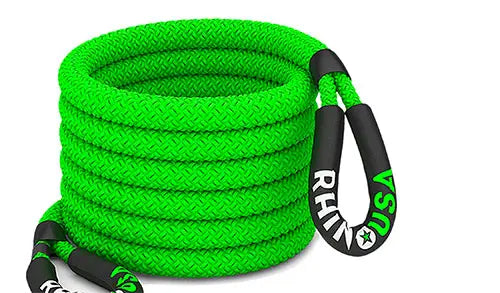
Kinetic Recovery is an entirely other beast compared to simply towing a vehicle using a standard tow strap or providing some non-intrusive assistance. Kinetic ropes stretch to use energy for dynamic pulls, making them ideal for mud or sand. The Kinetic Recovery Rope has elasticity (stretches up to 30%, unlike standard tow straps, which only stretch around 8%) which means that it can stretch and allow kinetic energy to provide some additional “pull” to liberate a vehicle that is actually stuck. This type of recovery rope is also referred to as a “yank” rope or strap. For instance, if a rig is stuck up to the axles in sand or heavy muck, the kinetic rope is an excellent recovery technique that can be utilized. Using a running start with a kinetic rope can maximize pulling force, making it even more effective at freeing a stuck vehicle.
Kinetic Recovery rope provides a little bit more of the necessary strength to get someone unstuck, even a larger vehicle. It is also a lot easier and safer on both vehicles involved and helps to minimize the stress.
Featured Product: Rhino USA Kinetic Recovery Rope
Storage bag included!
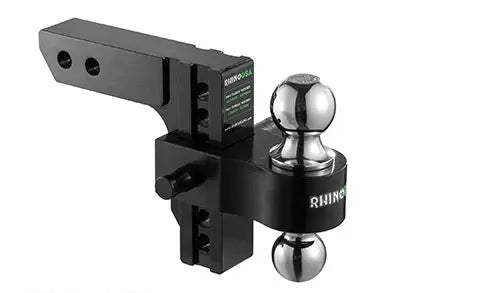
Included with the Rhino kinetic recovery rope is a handy storage bag. Not only does it hold your kinetic recovery rope, but soft shackles, a hitch receiver, and perhaps even a few other items, such as a folding shovel, or other useful stuff for recovery.
With the right gear in your kit, it’s equally important to know how to use it safely and effectively.
Recovery Safety and Precautions
When it comes to off-roading, being prepared for a recovery situation is just as important as having fun on the trail. Safety should always be your top priority, whether you’re pulling your own Jeep out of the mud or helping a fellow adventurer get unstuck. The right recovery gear is only as effective as the person using it, so understanding how to use your equipment and taking the proper precautions can make all the difference.
Essential Safety Gear
Before you even hit the dirt roads, double-check that your recovery kit is fully stocked. Essentials to have within reach include:
-
Kinetic recovery rope
-
A couple of soft shackles
-
Winch line extension
-
Reliable tire repair kit
-
First aid kit (bandages, antiseptic, pain relievers)
-
Fire extinguisher
Proper Recovery Techniques
When you find yourself in a stuck situation, take a moment to assess the scene. Follow these steps for a safe recovery:
-
Identify the correct recovery points on your vehicle—these are the reinforced spots designed to handle the stress of a pull.
-
Never attach recovery ropes or straps to bumpers or suspension parts, as this can cause serious damage.
-
Use soft shackles or steel shackles to secure your recovery rope or snatch strap to the proper tow points.
-
Make sure all gear is properly rated for your vehicle’s weight.
Winch and Tree Saver Use
If you’re using a winch, always follow the manufacturer’s instructions and consider using a winch line extension if you need extra reach. A tree saver strap is a must if you’re anchoring to a tree, as it protects both your gear and the environment. Snatch blocks can be incredibly helpful for changing the direction of your winch line or increasing pulling power.
Basic Tools and Accessories
Don’t overlook the basics:
-
Spare tire
-
Air compressor
-
Tire patch kit
-
Bottle jack
-
High lift jack
-
Sturdy shovel
-
Traction boards
And while some recovery gear comes at a premium price, investing in quality equipment pays off when you’re facing tough terrain.
Personal preference plays a role in your recovery setup—some off-roaders swear by kinetic ropes for their stretch and pulling power, while others prefer the predictability of a static line. Whatever you choose, make sure you’re comfortable with your gear and know how to use it safely.
Always keep a fire extinguisher accessible, just in case, and be mindful of your surroundings to avoid creating new hazards. Generally speaking, it’s better to take things slow and steady than to rush and risk injury or damage. If a recovery situation feels overwhelming, don’t hesitate to ask for help from another vehicle or your off-roading group.
Finally, stay calm and think through each step. With the right recovery tools, a bit of know-how, and a focus on safety, you’ll be ready to tackle any stuck situation the trail throws your way—whether it’s deep mud, loose sand, or snowy tracks. Preparation and caution are the keys to a safe and successful off-roading adventure.
Final Thoughts
Additional Recommended Gear
There are, of course, other things that you need to put into your recovery tools kit. Consider adding:
-
Quality work gloves to protect your hands
-
Spare wheel
-
Torch or flashlight for night recoveries
-
Sturdy bumper or bumper attachments for safe winch mounting
-
Tree-saver strap to protect trees when anchoring
Contact for More Information
For more advice on what sort of winch, tire repair kit, steel cable, bow shackles, tow strap, recovery strap, and every other item you could possibly need in your Jeep recovery kit, get in touch with Rhino USA today.

FAQ's
What kind of off-road recovery gear do I need to keep in my Jeep?
When it comes to off-road recovery gear for Jeep owners, there are a few key items that you should consider carrying with you at all times. These include:
-
High-quality winch
-
Recovery straps
-
D-ring shackles
-
Tow strap
-
Shovel
Depending on your specific needs and the type of off-roading you plan to do, you may also want to consider carrying a snatch block, a winch damper, and a tree strap.
How do I use off-road recovery gear to get my Jeep unstuck?
When using off-road recovery gear to get your Jeep unstuck, it's important to follow a few key steps to ensure your safety and the safety of those around you:
-
Make sure you have a clear plan of action and that everyone involved understands their role.
-
Assess the situation and determine the best approach for getting your Jeep unstuck.
-
Depending on the terrain and the type of recovery gear you have available, you may need to use a winch, recovery rope/straps, or a combination of both.
-
Always make sure to use proper rigging techniques and follow the manufacturer's instructions for using your recovery gear.
Off-road recovery can be a slow and methodical process, but with the right gear and a clear plan, you can get your Jeep unstuck and back on the road in no time.
- Choosing a selection results in a full page refresh.