

Basic Recovery Gear for Overlanding
Overlanding combines off-road driving with self-reliant camping, taking you on adventures far from the beaten path. This guide is for new and experienced overlanders alike, whether you’re a newcomer eager to explore or a seasoned adventurer seeking new challenges. As you explore remote areas, you’ll encounter diverse terrains that can challenge even the most capable vehicles.
Being prepared is crucial for a successful and safe overlanding trip. Overland recovery gear is critical for safety and self-sufficiency in remote areas, ensuring you can overcome obstacles and continue your journey without relying on outside help. This guide covers the essential overland recovery gear every adventurer should carry, so you’re ready for whatever the trail throws your way.
Building Your Complete Overlanding Recovery Kit
Start your overlanding journey with a well-rounded recovery kit. Having the right gear is not just about convenience—it’s about safety, self-reliance, and the ability to handle unexpected challenges, whether you’re traveling solo or with a group. A good selection of recovery tools is important for both solo and group overland travel, as it ensures you’re prepared for a variety of situations.
Absolute Minimum Essential Overland Recovery Gear
Essential Overland Recovery Gear Checklist
The absolute minimum essential overland recovery gear includes:
Traction boards: Essential for self-recovery in sand, mud, or snow. These rigid, textured planks provide grip under your tires and should be the first tool used if you get stuck.
Shovel: For digging out tires or creating a path.
Heavy-duty gloves: Necessary for safe recovery operations, protecting your hands from cuts, abrasions, and burns.
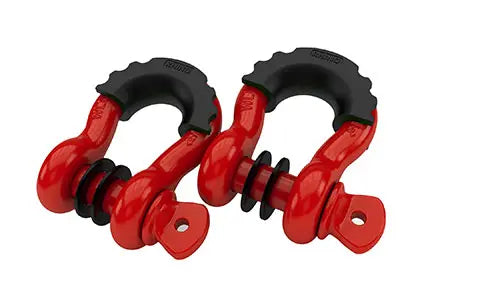
Rated shackles: For secure connections between recovery straps, winch lines, and vehicle recovery points.
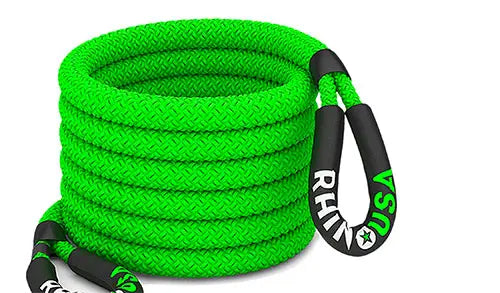
Kinetic recovery strap/rope: Also called a kinetic rope, it helps lower momentary forces during a pull and is vital for dynamic recoveries. Anyone going off-road should carry a kinetic rope or strap.
Tow strap: For controlled towing or static recoveries.
Air compressor with tire deflator: Essential for reinflating tires after reducing pressure for traction.
Additional important items:
Tire repair kit: Includes plugs and tools to fix trail punctures without removing the tire.
Tree saver strap: Protects trees used as anchor points during winching operations.
Winch: A powerful tool designed to pull heavy objects and is essential for vehicle recovery, especially for solo travel. Winches should be rated at least 1.5 times the vehicle's gross weight for effective recovery.
Having a good selection of recovery tools is important for both solo and group overland travel. Remember, a winch is especially important for solo travel, and a kinetic rope or strap is a must for anyone venturing off-road.
Additional Recovery Tools
Consider adding these items to further enhance your recovery kit:
-
Portable air compressor
-
Hi-lift jack
-
Winch (if vehicle-mounted)
-
Tree saver strap (a strap used to wrap around a tree to serve as a safe anchor point for winching or pulling, helping to prevent damage to the tree and increase safety during recovery)
Be careful when wrapping a tree saver around a tree or boulder to avoid causing damage or creating hazards during recovery operations.
Storage and Organization Tips
Store your gear in a durable, waterproof container for easy access. Organize items logically and familiarize yourself with each piece of equipment before heading out. When using winch lines or anchor points, place protective materials like tubular webbing or old floor mats on the ground to prevent abrasion and protect the ground surface.
Remember to tailor your kit to your specific vehicle and the terrain you’ll encounter. Carrying the right stuff, including a variety of recovery gear, ensures you’re prepared for any situation. A well-prepared recovery kit using quality gear from brands like Rhino USA ensures you’re ready for any situation on your overlanding journeys.
With your complete recovery kit in place, let’s dive deeper into the specific gear types and how to use them effectively.
Essential Recovery Straps for Overlanding
Recovery straps are a crucial piece of gear for any overlanding adventure. They can help you get unstuck from mud, sand, or snow when your vehicle loses traction.
A kinetic recovery strap/rope—also called a kinetic rope—helps lower momentary forces during a pull by stretching and absorbing shock, making it ideal for dynamic recoveries. Anyone going off-road should carry a kinetic rope or strap.
High-quality straps are designed to handle significant loads without breaking. Look for straps rated for at least 2-3 times your vehicle’s weight.
Rhino USA offers heavy-duty recovery straps that are ideal for overlanding. Their straps are made from durable nylon webbing that can withstand intense pulling forces.
These straps feature reinforced loop ends for easy attachment to recovery points. The bright color makes them highly visible in low-light conditions.
When choosing a recovery strap, consider:
-
Breaking strength
-
Strap width (wider = stronger)
-
Material (nylon is preferred)
-
Length (20-30 feet is common)
A static strap is a type of recovery strap that does not stretch, making it suitable for controlled load transfer, such as extending a winch line or towing where no elasticity is needed. However, a static strap should not be used for dynamic pulling, as it lacks the shock-absorbing properties of a kinetic strap.
Always inspect your straps before use and replace them if you notice any fraying or damage. Proper care will extend their lifespan.
Remember to pair your recovery straps with appropriate d-ring shackles or soft shackles for secure attachment. Never use a tow ball as an attachment point during recovery. Using makeshift or improper equipment, such as elastic tow ropes for static pulls or unsuitable hooks, is unsafe and can lead to equipment failure or injury.
Practicing safe recovery techniques is essential. Always clear the area of bystanders and use a damper on the strap to reduce risks if it breaks under tension.
Next, let’s explore how traction boards can help you self-recover in challenging terrain.
Traction Boards: A Lifesaver in Mud, Sand, and Snow
Traction boards are essential for self-recovery in sand, mud, or snow. These rigid, textured planks provide crucial grip when your vehicle gets stuck in challenging terrain and should be the first tool used if you get stuck.
When facing deep mud, loose sand, or slippery snow, traction boards can be the difference between continuing your journey and being stranded. You simply place them under your wheels to create a stable surface for your tires to grip.
Rhino USA offers high-quality traction boards designed for durability and performance. Their boards are made from tough, impact-resistant materials that can withstand extreme conditions and heavy vehicle weights.
Key features of Rhino USA traction boards:
-
Lightweight yet strong construction
-
Aggressive tread pattern for maximum grip
-
Stackable design for easy storage
-
Integrated handles for convenient carrying
You'll appreciate the portability of these boards. They're compact enough to fit in your vehicle without taking up too much space, ensuring you're always prepared for unexpected terrain challenges.
Investing in a set of Rhino USA traction boards gives you peace of mind on your overlanding trips. You'll be equipped to handle diverse terrains and overcome obstacles that might otherwise halt your progress.
Remember to practice using your traction boards before you need them in a real situation. Familiarity with proper placement and techniques will help you recover your vehicle quickly and safely when the need arises.
In addition to traction boards, secure connections are vital—let's look at shackles and soft shackles.
Shackles and Soft Shackles for Versatile Recovery
Shackles are crucial components in your overlanding recovery gear arsenal. They provide secure connection points between recovery straps, winch lines, and vehicle recovery points.
D-ring shackles offer robust strength and reliability. These metal connectors can withstand high loads, making them ideal for heavy-duty recovery operations.
Soft shackles are gaining popularity among off-road enthusiasts. Made from synthetic rope, they’re lightweight and easy to handle. You’ll appreciate their versatility and safety features during recovery scenarios. It’s important to ensure a tight fit when using soft shackles to secure them properly, but avoid bending them at too tight an angle, as this can cause damage or accidental release during recovery.
Rhino USA’s soft shackles boast impressive strength-to-weight ratios. They’re less likely to cause damage if they fail under extreme stress, reducing the risk of injury or vehicle damage. Unlike metal shackles, which can break and fly loose with enough force to potentially kill someone, soft shackles minimize this lethal risk due to their lighter, softer construction.
When choosing between D-ring and soft shackles, consider the specific recovery situation. D-rings excel in high-load scenarios, while soft shackles offer flexibility and ease of use in lighter applications.
For a well-rounded recovery kit, include both types of shackles. This ensures you’re prepared for various recovery challenges you may encounter on your overlanding adventures.
Remember to inspect your shackles regularly for wear and tear. Replace them if you notice any signs of damage or degradation to maintain the safety and effectiveness of your recovery gear.
With your shackles ready, let’s move on to winches and their essential accessories for heavy-duty recovery.
Winch and Winch Accessories for Heavy-Duty Recovery
A winch is a powerful tool designed to pull heavy objects and is essential for vehicle recovery, especially when tackling heavy-duty off-road challenges. Whether you’re navigating rocky trails or muddy backroads, a winch can be the difference between getting stuck and getting back on the road. When choosing a winch, always consider your vehicle’s weight and the types of terrain you expect to encounter. Winches should be rated at least 1.5 times the vehicle's gross weight for effective recovery. Overland Vehicle Systems offers a broad range of winches designed to perform reliably in the toughest conditions, making them a trusted choice for overlanders.
Equipping your rig with the right winch accessories is just as important as the winch itself. A high-quality winch line is essential for safe and effective pulls, while soft shackles provide a safer alternative to traditional hard shackles by reducing the risk of dangerous flying debris if a failure occurs. Tree saver straps protect trees used as anchor points during winching operations, allowing you to use trees as anchor points without causing damage to the environment. Don’t forget a winch shackle mount, which ensures a secure connection between your winch line and shackles.
Understanding winch techniques is crucial for safe recovery. Using pulleys, such as snatch blocks, can help you change the angle of your winch line or double your pulling force, making it easier to recover a stuck vehicle. Always inspect your gear before use and practice proper winching methods to ensure you and your group stay safe during recovery operations.
By investing in a quality winch and the right accessories, you’ll be prepared to handle a wide range of recovery scenarios and keep your overlanding adventures on track.
Next, let’s see how snatch blocks can further enhance your recovery options in complex situations.
Snatch Blocks and Their Role in Complex Recoveries
Snatch blocks are essential tools for complex off-road recoveries. These pulley devices can significantly enhance your winch's capabilities and provide clever solutions in challenging situations.
When using a snatch block, you can effectively double your winch's pulling power. This is invaluable when dealing with heavy vehicles or particularly stubborn stuck situations.
Snatch blocks also allow you to change the direction of your winch pull. This flexibility is crucial when a straight-line recovery isn't possible due to obstacles or terrain constraints.
Rhino USA offers high-quality snatch blocks designed for tough recovery scenarios. Their products feature durable construction and high working load limits to ensure safety and reliability during intense recoveries.
To use a snatch block:
-
Attach it to a suitable anchor point
-
Run your winch cable through the pulley
-
Connect the cable back to your vehicle
This setup creates a mechanical advantage, reducing strain on your winch and increasing its effective pulling capacity.
Remember to always use snatch blocks within their rated capacities and inspect them regularly for wear or damage. Proper maintenance ensures they'll be ready when you need them most.
By incorporating snatch blocks into your recovery gear, you'll be better prepared to handle a wide range of challenging situations during your overlanding adventures.
Now that you know about snatch blocks, let’s review the essential recovery techniques every overlander should master.
Vehicle Recovery Techniques Every Overlander Should Know
Mastering vehicle recovery techniques is essential for any overlander venturing into remote areas. Knowing how to use your recovery gear correctly can mean the difference between a minor delay and a major setback. Start by familiarizing yourself with the basics: a tow strap or snatch strap is perfect for pulling a stuck vehicle out of mud, sand, or snow, while kinetic ropes help absorb the shock and reduce forces during recovery. Traction boards are invaluable for providing grip when your tires lose traction on slippery or loose surfaces.
A winch and winch line are indispensable tools for more challenging recoveries, especially when you need to pull your vehicle from a difficult spot. Make sure your vehicle is equipped with strong recovery points and always use shackles to connect your gear safely. Carrying an aid kit, fire extinguisher, and shovel is also essential—they can be extremely helpful in emergencies and ensure you’re prepared for the unexpected.
Effective communication and teamwork are key when performing a recovery, particularly in a group setting. Make sure everyone understands the plan and stays clear of danger zones. Always use your recovery equipment as intended, and never exceed its rated capacity. By carrying the absolute minimum essential recovery gear—such as a winch, winch line, shackles, and traction boards—and having the knowledge to use it properly, you’ll be ready to tackle any off-road challenge and enjoy the great outdoors with confidence.
With these techniques in mind, let’s focus on the safety gear that protects you during recovery operations.
Gloves and Safety Gear: Protecting Yourself During Recovery
Safety should be your top priority during vehicle recovery operations. Wearing proper protective gear can prevent injuries and make the process smoother.
Gloves are an essential piece of safety equipment. Heavy-duty gloves—preferably leather—are necessary for safe recovery operations, protecting your hands from cuts, abrasions, and burns when handling recovery equipment. Rhino USA's heavy-duty gloves are a practical addition to any overlanding recovery kit, offering durability and grip.
Eye protection is crucial to shield your eyes from debris, dust, or potential cable snaps. Safety glasses or goggles should always be worn during recovery efforts.
Sturdy boots with good traction help maintain your footing on uneven terrain. They also protect your feet from heavy equipment or shifting vehicles.
A high-visibility vest makes you easily visible to others, reducing the risk of accidents in low-light conditions or busy areas.
Consider adding these items to your recovery gear:
-
Gloves (like Rhino USA heavy-duty)
-
Safety glasses or goggles
-
Steel-toed boots
-
High-visibility vest
-
Hard hat (for areas with falling debris risk)
By investing in quality safety gear, you'll be better prepared to handle recovery situations safely and effectively.
With your safety gear ready, you’re now equipped to build a comprehensive recovery kit and tackle any overlanding adventure with confidence.
- Choosing a selection results in a full page refresh.