


8 Things To Do When Your Truck Is Stuck In Snow
Introduction
If your truck is stuck in snow, this guide will show you step-by-step how to get it out safely. This article is designed specifically for truck owners and drivers who may find themselves immobilized by winter weather. Knowing how to properly free your truck from snow is crucial—not only for your safety, but also to avoid vehicle damage and quickly regain your mobility. Whether you’re facing a snowstorm at home or caught off guard on the road, following these steps will help you get back on track.
Winter Tire Preparation
It's important to note that all-season tires may not provide enough traction in severe winter conditions. For better safety and performance, switching to winter tires is recommended. Winter tires are more effective than all-season tires in handling snow and ice, and having the right tires in the right condition is essential for winter driving.
SAFETY PRECAUTIONS
When your truck is stuck in snow, safety should always come first. Before you even think about getting your car moving, make sure you’re in a safe spot—well away from passing traffic—and turn on your hazard lights so other drivers can see you. If you’re in a remote area or the situation feels risky, don’t hesitate to call a tow truck for help rather than trying to break free on your own.
Check Your Surroundings
Ensure you are in a safe location, away from passing vehicles, and turn on your hazard lights to alert others.
Clear the Exhaust Pipe
Clear the exhaust pipe of snow to prevent carbon monoxide buildup inside the vehicle. Snow packed around the exhaust can lead to carbon monoxide building up inside your vehicle, which is extremely dangerous. Always clear away any snow or ice from the exhaust pipe to ensure proper air flow and prevent this silent hazard.
Traction Aids
If you’re using traction aids like tire chains, kitty litter, or even floor mats to get your car unstuck, be mindful of your car’s traction control system. Some traction devices can interfere with the traction control, so use them carefully and only as needed.
Drive System Focus
For front wheel drive cars, focus on the front tires—these are your drive tires and need the most traction. For rear wheel drive vehicles, it’s the rear tires that need help. Placing sand, cat litter, or even a little rock salt or table salt under the drive wheels can help melt snow and ice and give you more traction, but use these materials sparingly to avoid damaging your paint or the environment.
Accelerating Safely
When you’re ready to try moving, gently accelerate forward in a low gear. Avoid rapid shifting or flooring the gas pedal, as this can cause your wheels to spin and dig you in deeper. If only one wheel is getting traction, try to swing forward and back to transfer momentum and break free.
Engine Overheating
Be careful not to overheat your engine—packed snow around the front grille can block air flow and lead to engine overheating, so clear this area as well.
Using a Shovel
If you need to use a shovel, take care not to damage your car’s ground clearance or undercarriage.
Letting Air Out of Tires
If you let a little air out of your tires for better traction, only do so if you can get them quickly refilled someplace close.
Emergency Kit
Always keep an emergency kit in your vehicle during the winter months. Essentials include:
-
Flashlight
-
First aid kit
-
Warm blankets
-
Extra snacks
By following these safety precautions and being prepared, you’ll not only protect yourself and your vehicle but also make it much more likely that you’ll get your car unstuck from snow and ice safely and efficiently.
#1: CLEAR THE SNOW
The first step to free your truck is to clear the snow from around the tires. A snow shovel is the best tool to use, however, if you don’t own a shovel you can also use an ice scraper or a heavy duty screwdriver.
Remove as much snow as possible from the back, front, and underneath the tire. If your truck is high centered, with snow packed under the chassis, you must clear it out before the vehicle can move. Make sure to clear much space around the tires and under the vehicle to prevent getting stuck again. Next up, clear a path for at least a few yards in both directions to help create tracks and make it easier to move. You should also clear enough space for the tires to move freely and avoid any vehicle blocking.
Before you start trying to maneuver the car out make sure that you also clear out the tailpipes of any excess ice or snow. Unfortunately, carbon monoxide poisoning can occur if the tailpipe is blocked when the engine is running. This can be extremely dangerous and possibly fatal, so it’s important to remember this step!
Once the snow is cleared, you can begin working on gaining traction.
#2 & 3: MOVE FORWARD... OR BACKWARD
After you have cleared away the snow it’s time to get traction. To do this, keep the wheels of the vehicle straight, put the truck in a low gear and start moving forward slowly. Then alternate between drive and reverse gear to rock the vehicle back and forth. The goal is to build up enough momentum to break free from the snow. Maintaining forward momentum can help the vehicle move out of deep snow.
Apply only a little gas to avoid spinning the wheels—gentle, controlled throttle is best. Shifting quickly between forward and reverse can help with the rocking technique, but do this carefully to avoid transmission damage. This rocking method is especially useful for vehicle starts when stuck in snow.
It’s imperative not to gun the engine, but instead, keep it slow and steady. This is one of the quickest and easiest ways to free your truck from the snow. Keep an ear out to check if the tires spin and even put your head out of the window to keep an eye on them. If you hear the tires spinning take your foot off the accelerator straight away!
Once you’ve tried rocking the vehicle, you can move on to other traction techniques if needed.
#4: PUT ON THE BRAKES
This may seem counterintuitive, however, applying the brakes while accelerating is a great way to stop useless spinning and help increase traction. If you notice a spinning wheel—where the tire is rotating without traction and not moving the vehicle forward—stop and try a different technique to regain grip. Give this one a try but only for a little bit of time. You can cause serious damage to your breaks by doing this for more than a few moments!
If this doesn’t work, try the rocking technique, by moving gently backward and forwards over and over. This can generate momentum that can help you move out. Just like applying breaks, you should only try this for a couple of times. If you do it for too long the rocking method can end up having a negative effect on your transmission!
If braking and rocking don’t work, it’s time to try pushing or using traction aids.
#5: PUSH WHILE ACCELERATING
If none of these tips has helped, see if you can get a couple of people to help push your truck while you accelerate forward.
If you feel like there still isn’t enough traction, let some air out of your tires. Only let out a small amount, enough that the tire looks visibly lower but not completely flat. Letting some air out of your tires can increase the surface area in contact with the ground, improving traction. Sometimes this can work because there is more rubber connecting to the ground. However, this is a hazardous way to drive. Letting air out is only recommended if you can refill the air close by. Otherwise, it’s just too dangerous to drive with tires that are flat.
If pushing and letting air out of the tires don’t work, try using traction devices.
#6 & 7: CHAINS & TRACTION BOARDS

Featured Product: Rhino USA Traction Boards
Snow chains are a fail-safe way to get your truck out of the snow and moving! If you don’t have snow chains, there may also be some household items you can use to get your truck moving. To increase traction try Rhino USA traction boards, built to create traction in the snow and safely recover a stuck vehicle. Use your shovel to dig under your tires and push just the tip of the traction boards under the tires. In a low gear, slowly drive your way onto the traction boards and then accelerate to get up and out!
If you don't have traction boards, you can use sand kitty litter as an alternative by spreading it under or in front of your tires to help improve grip on snow and ice.
If traction aids don’t work, it may be time to call for professional help.
#8: YOU ARE FREE!
Hopefully, one of these many options helped you get unstuck. If your steering wheel is shaking, you may have snow still stuck in your tires. At the first chance where it’s safe, pull over and scrape the snow out with an ice scraper, screwdriver, or shovel. After getting unstuck, try to safely stop in an area with less snow to reduce the risk of getting stuck again. If you released the air pressure in your wheels immediately replace the air.

Whenever there is inclement weather it’s important to be prepared and allow yourself plenty of time to troubleshoot these kinds of problems. Good luck and stay warm!
Once you’re free, review the checklist below to ensure you haven’t missed any important steps.
Summary Checklist: How to Get Your Truck Out of Snow
-
Clear snow from around tires, undercarriage, and exhaust pipe
-
Check and clear the exhaust pipe of snow to prevent carbon monoxide buildup inside the vehicle
-
Use a snow shovel, ice scraper, or similar tool to dig out snow
-
Place traction aids (kitty litter, sand, cardboard, traction boards, or floor mats) under drive wheels
-
Engage low gear or 4WD Low for increased torque and power
-
Gently rock the vehicle back and forth between drive and reverse to gain momentum
-
Apply brakes briefly while accelerating to stop wheel spin and increase traction
-
Push the vehicle with help while gently accelerating
-
Let some air out of your tires to increase the surface area in contact with the ground (only if you can refill them soon)
-
Add weight over the drive wheels (for rear-wheel-drive trucks) to improve traction
-
Avoid spinning wheels excessively to prevent digging deeper
-
Use snow chains or traction boards if available
-
If all else fails, call for professional roadside assistance or towing services
-
Keep an emergency kit in your vehicle (flashlight, first aid kit, warm blankets, extra snacks)
-
After getting unstuck, check for snow in the wheels and refill tire air pressure if needed
PS. we sell a multi-tool shovel that would be perfect for this kind of job, if you're like me and like to be prepared for the worst to come, you can check it out by clicking here or viewing it below! If not, no hard feelings, thanks for checking out our site and we wish you the best of luck!

FAQ's
What should I do first if my truck gets stuck in snow?
The first thing to do when your truck is stuck in snow is to remain calm. Then, assess the situation and ensure your safety. Turn off your vehicle, check for any immediate hazards, and make sure your exhaust pipe is clear to prevent carbon monoxide buildup. Clear the exhaust pipe of snow to prevent carbon monoxide buildup inside the vehicle. From there, you can follow the steps outlined in the blog post to safely get your truck unstuck.
How do I know if my vehicle is a front wheel drive car, and why does it matter?
To identify if you have a front wheel drive car, check your vehicle’s manual or look for information on the manufacturer’s label inside the driver’s door. Knowing if your vehicle is front, rear, all, or four wheel drive car is important because it affects which wheels provide traction. In snow, front wheel drive cars often have better traction when moving forward, while rear wheel drive cars may struggle more. All-wheel and four-wheel drive vehicles generally handle snow better.
Why is it important to know my vehicle’s drive system (front, rear, all, or four wheel drive car) when stuck in snow?
Understanding your vehicle’s drive system helps you apply the right recovery techniques. For example, knowing which wheels are powered allows you to focus on clearing snow and providing traction to those wheels, increasing your chances of getting unstuck.
Can starting in second gear help if I have a manual vehicle?
Yes, if you drive a manual vehicle, starting in second gear can help reduce wheel spin on snow or ice. Second gear provides less torque than first gear, making it easier to control the wheels and gain traction.
How can I melt ice around my tires or under my vehicle?
To melt ice, you can use de-icing substances such as rock salt, table salt, windshield washer fluid, or antifreeze. Sprinkle these around your tires or under the vehicle to help break up and melt ice, making it easier to get your truck moving.
What should I do as a last resort if I can’t get my truck out of the snow?
As a last resort, you can try letting some air out of your tires to increase the surface area and improve traction. However, only do this if you have a way to reinflate the tires afterward. If all else fails, call for professional help to avoid damaging your vehicle or putting yourself at risk.
Who to call when you get stuck in the snow?
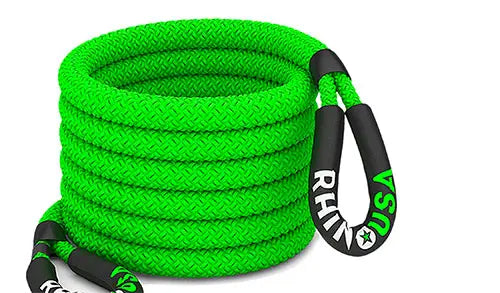
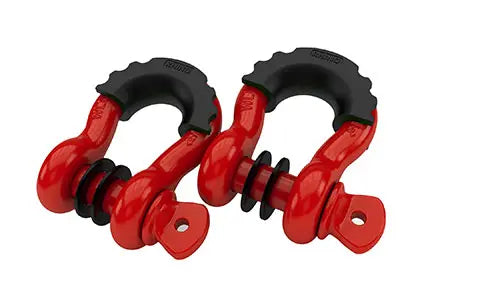
Recovery gear can be an essential tool to avoiding calling roadside assistance, towing services, or professional recovery services. With the help of simple recovery solutions such as:
-
Kinetic ropes
-
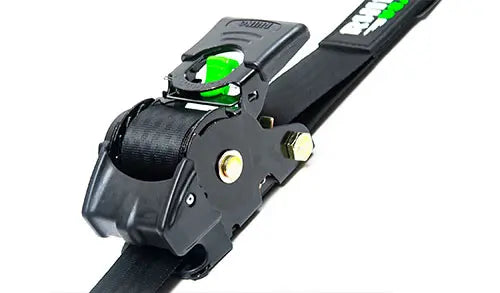
Recovery tow straps
-
Survival shovels
-
Recovery traction boards
you can effectively get unstuck from the snow without having to pay hundreds of dollars for assistance!
Now, in the event that you haven’t purchased recovery gear from Rhino USA, we recommend reaching out to the following options to get your vehicle out of the snow:
-
Roadside Assistance: Many insurance companies offer roadside assistance as part of their coverage packages. Check your policy or contact your insurance provider’s emergency hotline to request help. They often provide services like towing, jump-starts, and assistance with getting unstuck from snow.
-
Towing Services: Towing companies specialize in recovering vehicles that are stuck or immobilized. You can call a local towing service to request their assistance in getting your vehicle out of the snow.
-
Emergency Services: If you’re in a hazardous situation, such as extreme cold, heavy snowfall, or if there’s a medical emergency, it’s crucial to contact your local emergency services (911 in the United States) for immediate assistance. They can coordinate a response to ensure your safety.
-
Professional Recovery Services: In some cases, you may need to contact a specialized off-road recovery service or a professional who specializes in vehicle recoveries. These experts have the equipment and knowledge to handle challenging situations.
- Choosing a selection results in a full page refresh.