


5 Things To Know When Off-Roading In Snow: The Ultimate Guide
Off-roading poses challenges for drivers but driving in the snow is particularly taxing. If you're thinking about organizing a trip during the winter, or you've always wanted to embark upon an off-roading adventure in a cold country, it's crucial to prepare for extreme weather. Off-roading in the snow can be exhilarating but it's also dangerous, especially if you're not used to the conditions or you don't have the right kit. Being prepared helps to reduce risks, enhance safety and ensure that off-track adventures are fun and memorable for the right reasons. This guide explains how to drive off road in snow safely and effectively.
This guide is for anyone planning to drive off road in snowy conditions, whether you're a beginner or an experienced off-roader. Understanding how to drive off road in snow is essential for safety, vehicle preservation, and maximizing enjoyment during winter adventures.
Introduction to Off Roading in Snowy Conditions
Off-roading in snowy conditions—often called snow wheeling—is an exhilarating experience that brings a whole new set of challenges and rewards. Navigating deep snow and icy trails requires more than just a capable rig; it demands preparation, skill, and the right equipment. Snow driving in winter conditions means you’ll need to pay close attention to your tires—dedicated snow tires or those with an aggressive tread pattern can make a huge difference in maintaining traction on slippery, compacted snow. Traction aids like traction boards are essential for gaining traction when your vehicle starts to slip or gets bogged down in snowy terrains. Whether you’re a seasoned off-roader or just starting out, having experience driving off highway in snow is invaluable for reading the snow conditions and knowing how to react. With the right setup and a respect for winter’s unpredictability, snow wheeling can turn a cold day into an unforgettable adventure.
5 Things You Must Know When Off-Roading in the Snow: A Guide
Off-roading in the snow poses unique challenges for even the most experienced truck, UTV and 4x4 drivers. The surface is slippery, it's much easier to get the wheels stuck and visibility is often poor. Driving during the winter when the weather is unpredictable and navigating snow storms can throw up unexpected obstacles and it can be tough to keep control of a vehicle and negotiate uneven surfaces and hidden hazards. To help you stay safe in the snow, here are 5 things you must know:
Effective techniques for off-road driving in snow focus on smooth, controlled inputs and maintaining steady momentum while using appropriate vehicle settings and recovery gear. Gentle inputs for acceleration, braking, and steering are critical to prevent loss of traction while driving in snow. Maintain a steady, controlled forward momentum to avoid getting bogged down in snow.
1. Air the Tires Down
Why air down?
Airing the tires down is critical when driving off-road in the snow because it increases traction on slippery surfaces. If you let some of the air in your tires out, the surface area of the tire, which actually touches the ground, increases, giving you greater control if it's icy or wet. One of the main risks of off-roading in the snow is falling through the powder and getting stuck. Airing the tires down is a simple, effective way to boost the chances of staying on top of the snow.
How to air down safely
Always remember to take a tire gauge and inflator with you so that you can pump the tires back up before you get back to standard roads and paved tracks.
Tools needed
-
Tire gauge
-
Tire inflator
Featured Product: Rhino USA Pro Tire Deflator Kit
2. Fit Snow Tires
Why use snow tires?
Driving in snow can make you feel as though you're on an ice rink, even if you're behind the wheel of a heavy-duty truck or a sturdy 4x4. Fitting snow tires can be a game-changer if you're driving off the beaten track in snow or ice. Snow tires have more grip due to the depth of the tread and they offer enhanced traction to reduce the risk of slipping. The materials used to make snow tires are designed to cater to extremely low temperatures, which prevents the tires from hardening. This should provide a superior driving experience.
What to look for
Use winter-rated tires that feature the Three-Peak Mountain Snowflake (3PMSF) symbol for maximum cold-weather traction.
3. Identify Hazards
Recognizing hazards
Off-roading in snow is a test that is rife with hazards and risks. One of the most difficult aspects of planning a drive in heavy snow is being able to identify hazards. Even if you have driven in the snow several times and you're well-versed in off-roading, it's essential to recognize that no two environments are the same. There are different types of snow and drivers have to be able to adapt to cater to the conditions. Driving across slushy snow that has been slowly melting for hours is very different from trying to cross an area of densely packed, hard snow, for example.
Snow quality matters
Understanding the quality of snow that you encounter on the trail will have a huge impact on how far and deep you make it on any given trip. The quality of snow significantly impacts the difficulty of driving; fresh dry powder is easier to navigate than icy or slushy snow.
How to assess
Before taking on a snow-covered trail, track or path, it's wise to assess the conditions and plan accordingly.
4. Reduce Vehicle Weight
Why reduce weight?
Reducing the weight of your vehicle when off-roading in the snow is beneficial because it lowers the risk of sinking through the top layers of the surface snow and getting stuck.
How to reduce weight
Inspect the vehicle and remove anything you don't need for your trip.
5. Lighting
Importance of lighting
Winter days can be dark and miserable, which makes it difficult to see. Extra lighting is essential, especially for those planning long trips, which involve driving after dark.
With these essentials in mind, let's look at how to plan your off-road route for winter conditions.
Planning Your Off-Road Route
Preparing your vehicle before hitting the winter trails is crucial for a safe and enjoyable adventure. Careful planning is the key to a successful snow wheeling trip, especially during the winter months when conditions can change rapidly. Before you hit the trail, research the current weather forecast and check the road surface conditions to avoid unexpected hazards. Choose routes that are suitable for your vehicle’s ground clearance and avoid trails with steep inclines or sharp turns that can become treacherous in snow. If you’re driving a relatively stock vehicle, stick to well-traveled paths where getting stuck is less likely. Online resources like Caltopo.com can help you assess the snowline and select the best trails for your adventure. Always leave your planned itinerary with someone at home and carry a Garmin InReach or similar satellite communication device for emergencies. By planning ahead and preparing for the unexpected, you’ll reduce the risk of getting stuck and ensure a safer, more enjoyable winter off-roading experience.
Next, let's explore the essential recovery techniques you need to master for safe off-roading in snow.
Mastering Recovery Techniques for Safe Off-Roading
Knowing how to recover a stuck vehicle is a crucial skill for anyone venturing into snowy conditions. The right recovery gear can make a huge difference when you need to pull yourself or a buddy out of a snowbank. Practice using your recovery gear before you need it, so you’re confident in deploying traction boards or setting up a winch line on the trail. Understand when to use a static tow strap for gentle pulls and when a dynamic recovery strap is needed for more forceful extractions. Avoid driving into areas with deep mud or icy patches, as these can be even more challenging to escape during winter wheeling.
Types of recovery gear and their uses:
-
Traction boards: Provide grip under tires stuck in snow or ice.
-
Sturdy shovel: Dig out snow from around tires or undercarriage.
-
Static tow straps: For gentle, controlled pulls.
-
Dynamic recovery straps: For more forceful extractions when stuck deep.
-
Winch: For self-recovery or helping others in challenging spots.
By mastering these recovery techniques and knowing how to use your equipment effectively, you’ll be prepared to handle stuck vehicles and keep your snow run moving forward, no matter what the winter throws your way.
Now, let's review the key safety precautions to keep in mind for winter off-roading.
Safety Precautions for Off-Roading in Snow
Safety should always be your top priority when off-roading in snow. It is good practice to put together a survival pack to use in an emergency.
Dress for the Weather
-
Wear warm clothes, including insulated hats, gloves, and waterproof boots, to protect yourself from freezing temperatures and icy conditions.
Essential Emergency Supplies
-
Always carry:
-
First aid kit
-
Extra food
-
Water
-
Blanket
-
Lighting and high-visibility clothing
-
Vehicle Preparation
-
Keep your vehicle in top shape by checking tire pressure regularly.
-
Bring an air compressor to make adjustments as needed.
-
Don’t forget a spare tire and essential tools for quick repairs.
-
Ice scraper
Traveling with a Buddy
-
It’s best to avoid driving alone—travel with a buddy or group so you can help each other if someone gets stuck.
Key safety tips:
-
Stay alert to the weather forecast and trail conditions.
-
Don’t hesitate to turn back if you encounter deep snow or dangerous icy patches.
-
By taking these precautions and carrying the right gear, you’ll minimize risks and ensure your winter off-roading adventure is both safe and exhilarating.
With safety covered, let's look at the essential investments you should make before your trip.
Essential Investments for Your Trip
If you're thinking about going off-roading, here is a list of essential investments for your trip, including the 4-Wheel Tire Inflation/Deflation System:
Recovery Gear
-
Traction Boards: Rhino USA traction board
-
Survival Shovel: Rhino USA survival shovel w/pick
-
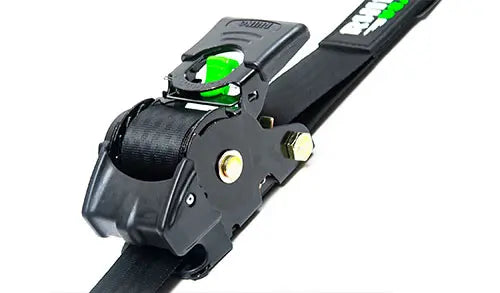
Car Tie Down Lasso Straps: Car tie down lasso straps
-
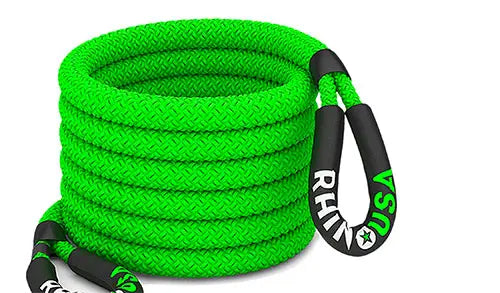
Recovery Straps: Rhino USA recovery straps
-
Snow Chains
Personal Safety Gear
-
First Aid Kit
-
Lighting and High-Visibility Clothing
-
Warm Layers, Bottled Water, and Snacks
-
Ice Scraper
Vehicle Accessories
-
4-Wheel Tire Inflation/Deflation System
By investing in the right gear, you’ll be well-prepared for any situation you might encounter on the trail.
Conclusion
Off-roading in the snow can be exhilarating but it's also dangerous. Safety should always be a priority for drivers. If you are planning an off-road adventure in the winter, always ensure that you prepare the vehicle, plan the route, check the latest forecast and carry essential vehicle accessories and equipment. Visit the store to make sure you have everything you need before you set off in the snow.

- Choosing a selection results in a full page refresh.